Coins from the Bible
Tangible Evidence That Strengthens Faith and Opens Doors for the Gospel
For many people, the events of the New Testament can feel distant, stories set in a far-off land nearly two thousand years ago. Yet ancient coins from the Bible help bridge that distance with remarkable clarity.
These are not artistic reconstructions or later commemorative pieces. They are authentic ancient artifacts representing the currencies that circulated in Judea and surrounding regions during the biblical era. Examined through archaeology, numismatics, and historical research, biblical coins provide a tangible connection to the people, places, governments, religious practices, and everyday life described in Scripture.
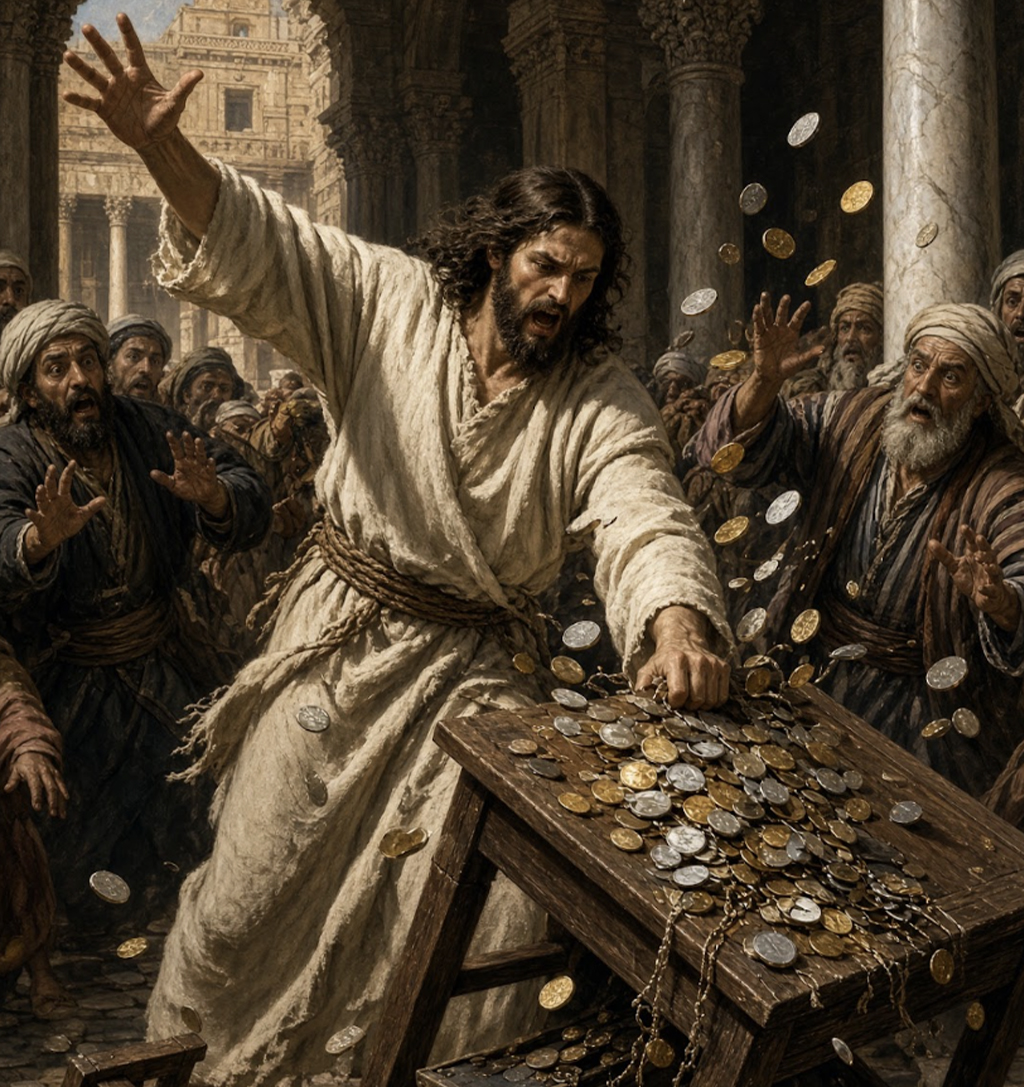
Explore the Coins Mentioned in Scripture
 class="coin-img">
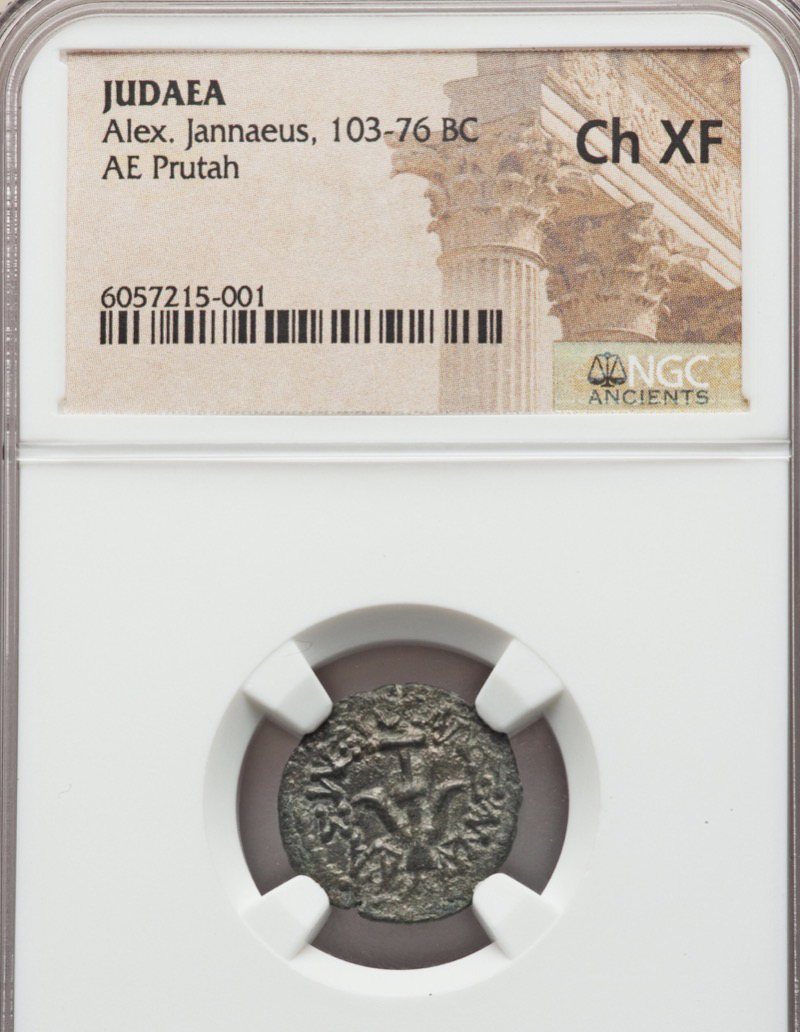
Widow's Mite
Discover the tiny copper coins that became one of Jesus' greatest lessons on sacrificial giving.
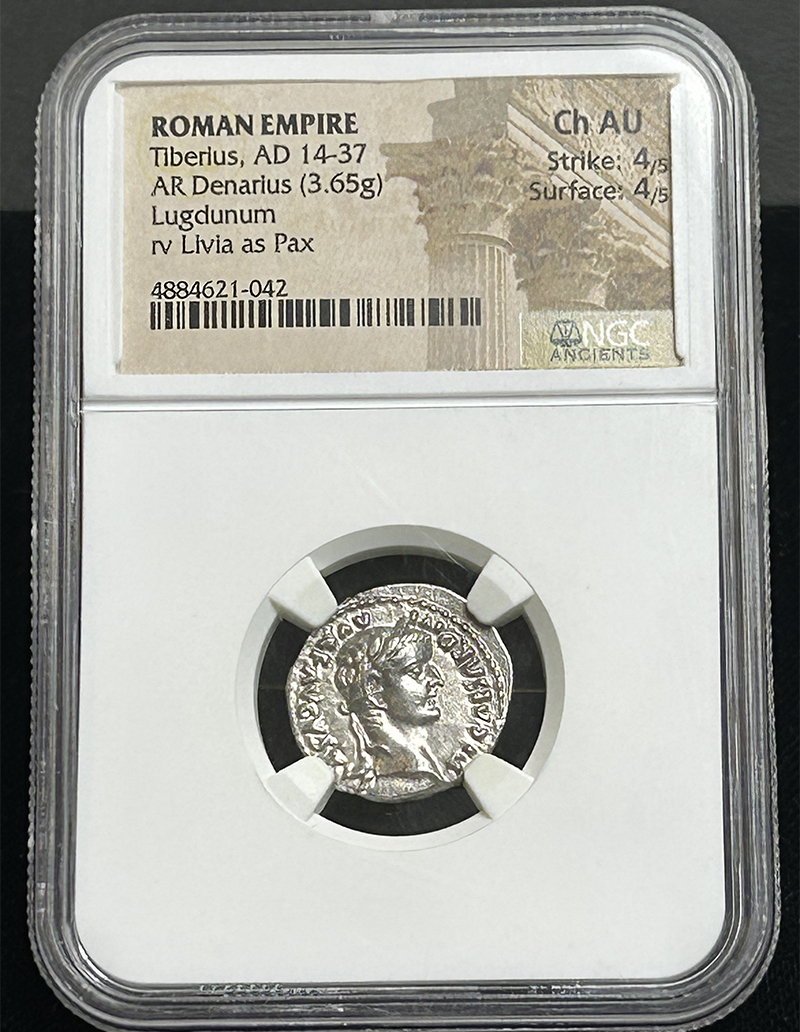
The Tribute Penny
Learn about the famous coin connected to Jesus' statement:
"Render unto Caesar the things that are Caesar's, and unto God the things that are God's."
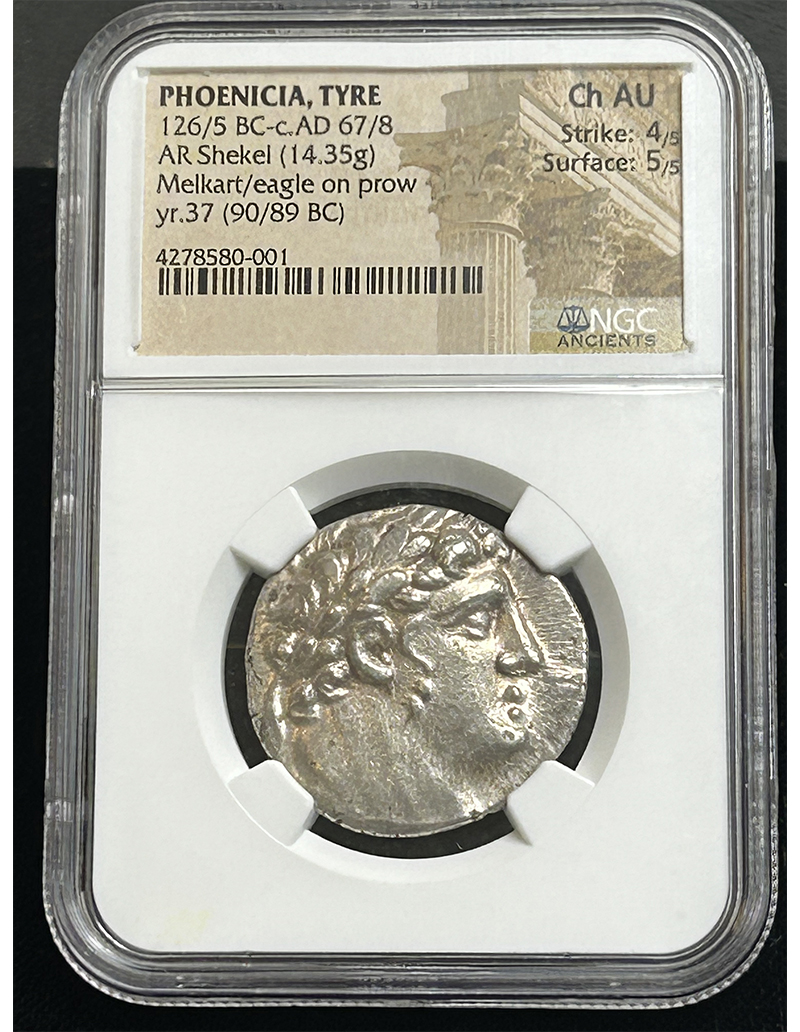
Judas' Thirty Pieces of Silver
Explore one of history's most recognized biblical coins and the prophecy connected to the betrayal of Christ.
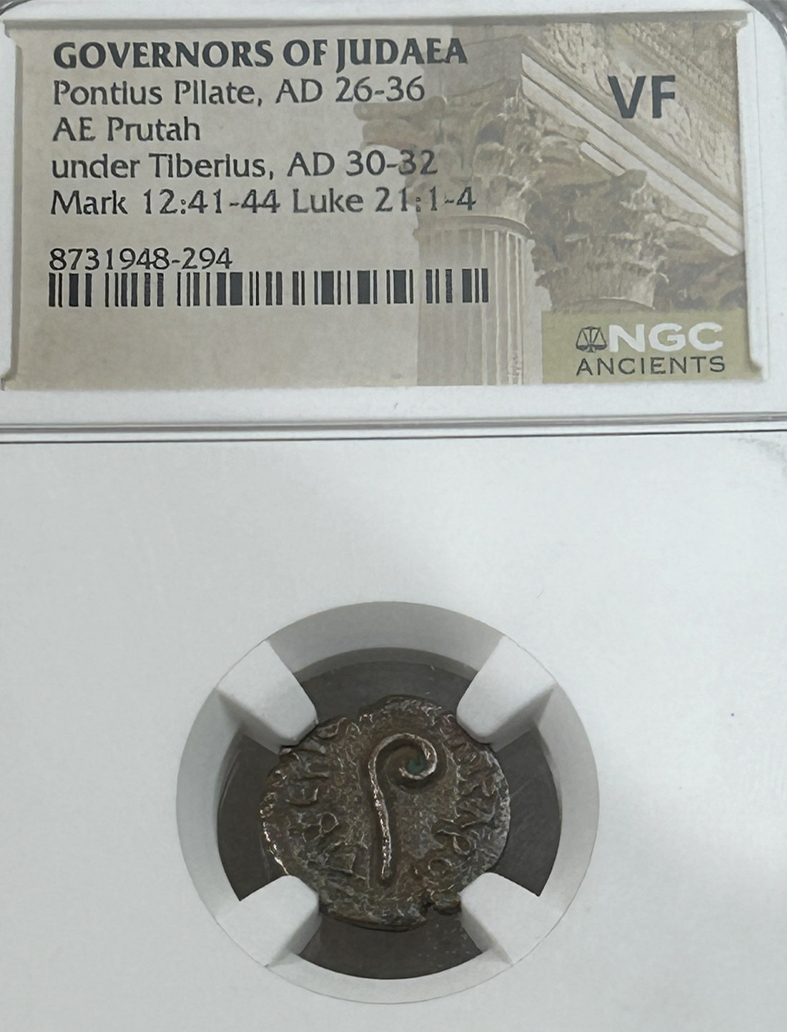
The Pontius Pilate Coins
See the coins minted by the Roman governor who presided over the trial of Jesus.
Holding Biblical History in Your Hands
Because coins are physical objects rather than abstract arguments, they can strengthen a person’s connection to biblical history in a uniquely personal way.
Holding a genuine Widow’s Mite makes the widow’s sacrificial giving easier to visualize. Seeing an ancient silver shekel can bring new historical context to the Temple and the betrayal of Jesus. Examining the portrait and inscription of Caesar on a Roman denarius makes Christ’s teaching about earthly and divine authority remarkably tangible.
These artifacts remind us that Scripture is rooted in real places, cultures, governments, economies, and historical circumstances.
Modern numismatics and archaeology use methods including stratigraphy, die studies, metallurgical analysis, inscriptions, and hoard evidence to study the origin, chronology, and authenticity of ancient coins. Together, these disciplines allow us to better understand the physical world in which biblical events took place.
Biblical Coins as Tools for Teaching and Evangelism
Authentic biblical coins can also create natural opportunities for conversation. A small ancient coin immediately invites questions:
What is this? When was it made? Who used it? What does it have to do with the Bible?
For skeptics, history enthusiasts, collectors, students, and those simply curious about the ancient world, the conversation can begin with history rather than an abstract theological argument.
From there, a biblical coin can introduce the historical setting of Jesus’ ministry, the Gospel accounts, and ultimately the person and work of Christ.
In churches, Bible studies, classrooms, and public presentations, these coins can serve as memorable visual and tactile teaching tools. They help transform unfamiliar historical concepts into something people can actually see, and, in some circumstances, hold.
Physical Witnesses to the World of Scripture
In an age when the Bible is sometimes treated as purely spiritual literature, these small pieces of metal provide tangible evidence of the historical world in which Scripture was written.
They connect us to real rulers, real economies, real religious institutions, and real places that existed during biblical history.
For believers, that connection can deepen confidence and understanding. For seekers, it can open a door to further investigation. Holding an artifact from the biblical world can become a quiet but powerful reminder that Christianity makes claims rooted not only in faith, but also in history.
Resources for Collectors, Students, and Churches
Whether you’re beginning your journey or expanding an existing collection, you’ll find resources designed to deepen your understanding of biblical history.
Our educational materials are ideal for:
- Bible study groups
- Sunday School classes
- Christian schools
- Homeschool families
- Archaeology enthusiasts
- Ancient coin collectors
- Pastors and ministry leaders
The Science Behind Biblical Coins
Explore More About Coins from the Bible
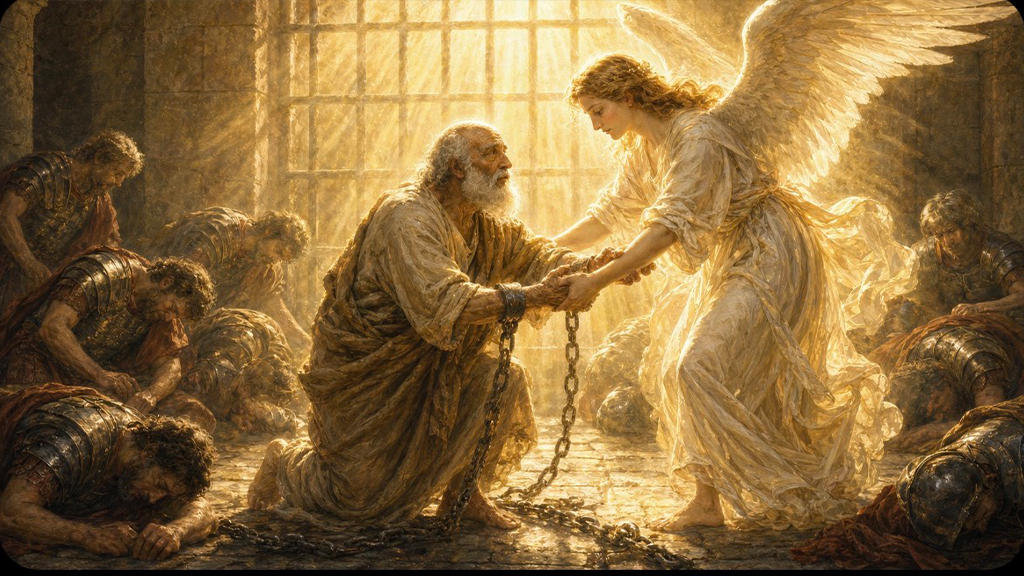
King Herod Agrippa I Acts Chapter 12
This Herod was Agrippa I, grandson of Herod the Great, made king of Judea by Claudius in AD 41. He cultivated Jewish favor while remaining Rome’s client. Removing the apostles looked like prudent politics: Jesus had been executed as a potential threat, and the...
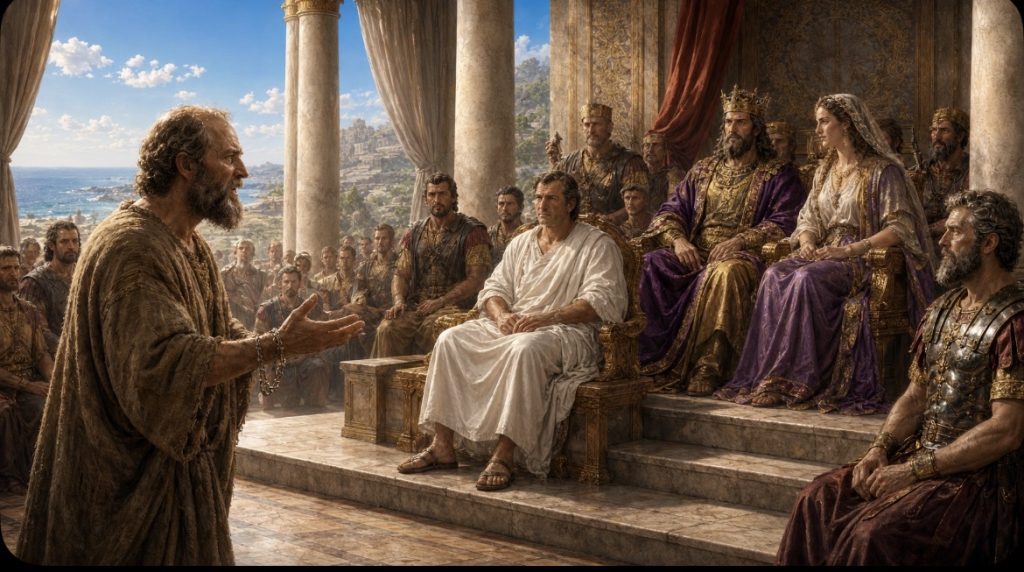
Felix and Festus coins
Jesus told His disciples they would stand before governors and kings “as a testimony” and that the Spirit would give them the words (Matthew 10:17-20). Decades later that promise played out in Caesarea, recorded with striking precision in Acts 24–26. After two years...
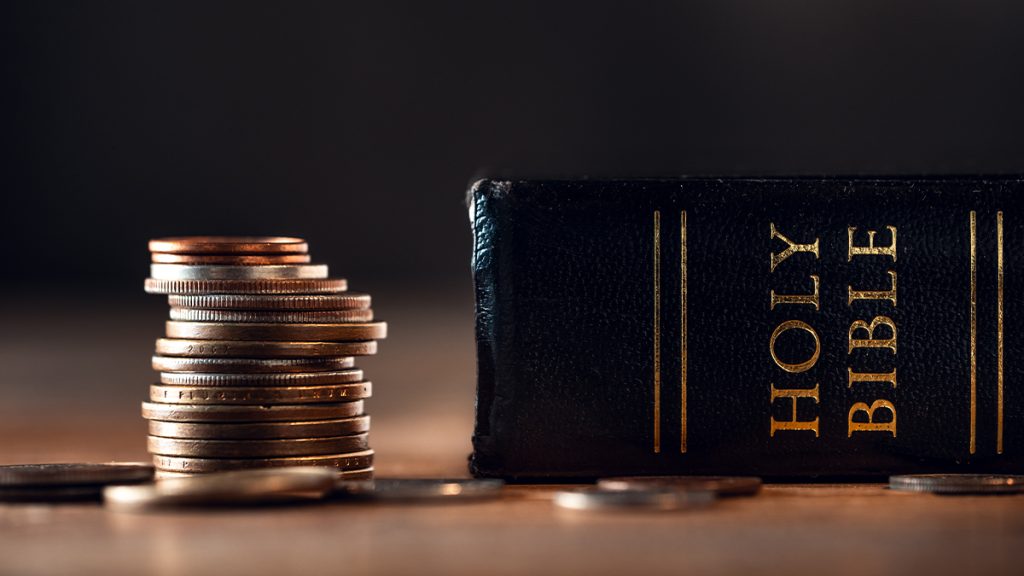
What Are the Coins from the Bible? A Beginner’s Guide to Biblical Money
Ancient coins are among the most fascinating archaeological discoveries connected to Scripture. More than simple currency, these coins provide tangible evidence of the rulers, governments, economies, and cultures described throughout the Bible. From the Widow's Mite...
Frequently Asked Questions
What are coins from the Bible?
Are biblical coins genuine archaeological artifacts?
Which ancient coins are associated with the New Testament?
What coin did Jesus refer to when He said, “Render unto Caesar”?
What kind of coin was the Widow’s Mite?
Can researchers prove that a particular coin appeared in a biblical event?
How are ancient biblical coins authenticated and studied?
Why are coins important for understanding the Bible?
Begin Your Journey Through Biblical History
Whether your interest is biblical archaeology, ancient history, or strengthening your understanding of God’s Word, Coins from the Bible invites you to experience Scripture from a unique historical perspective.