The Widow’s Mite

Evidence of Everyday Faithfulness

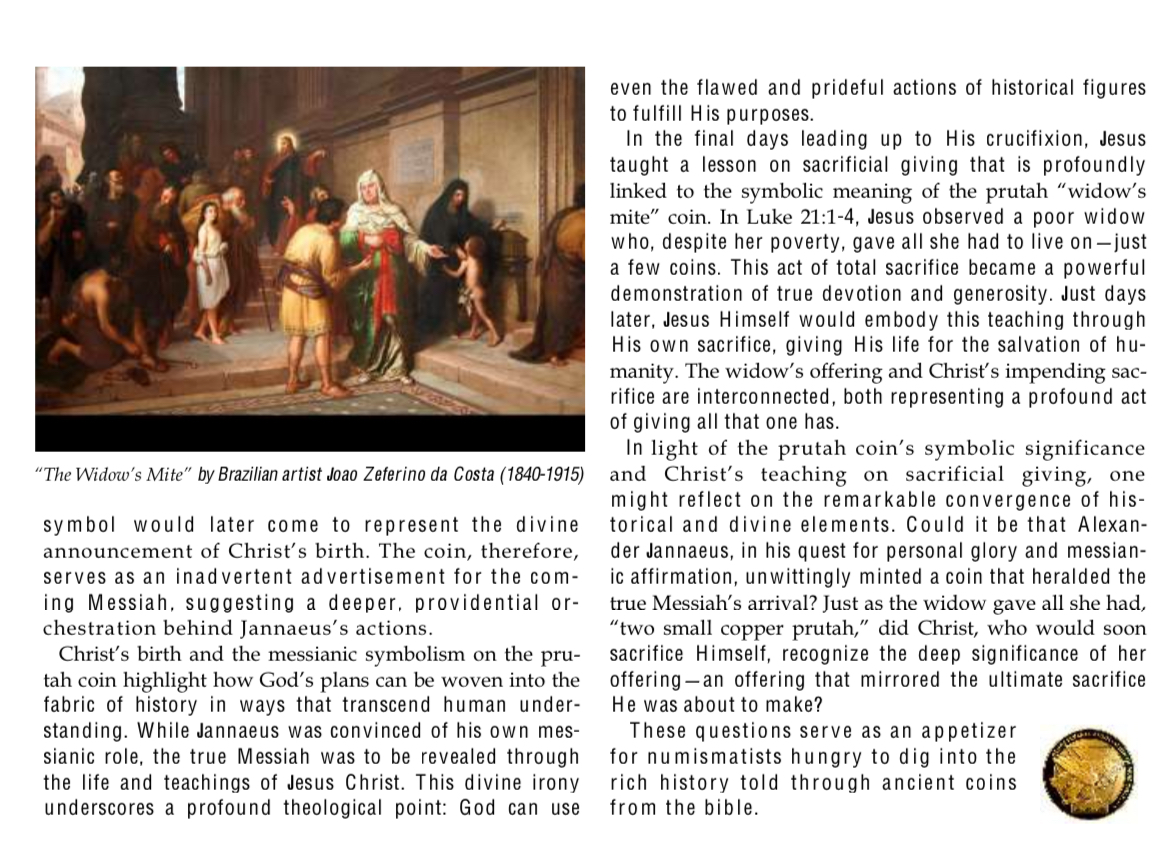
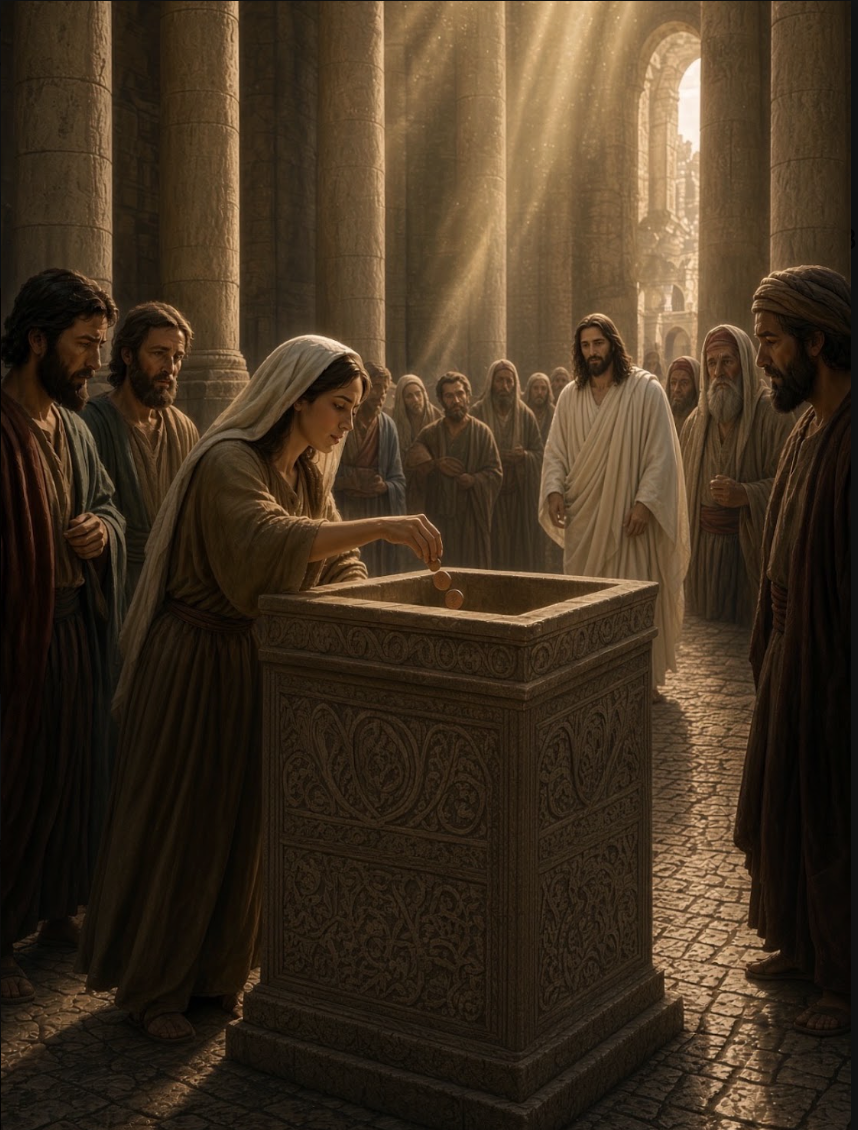
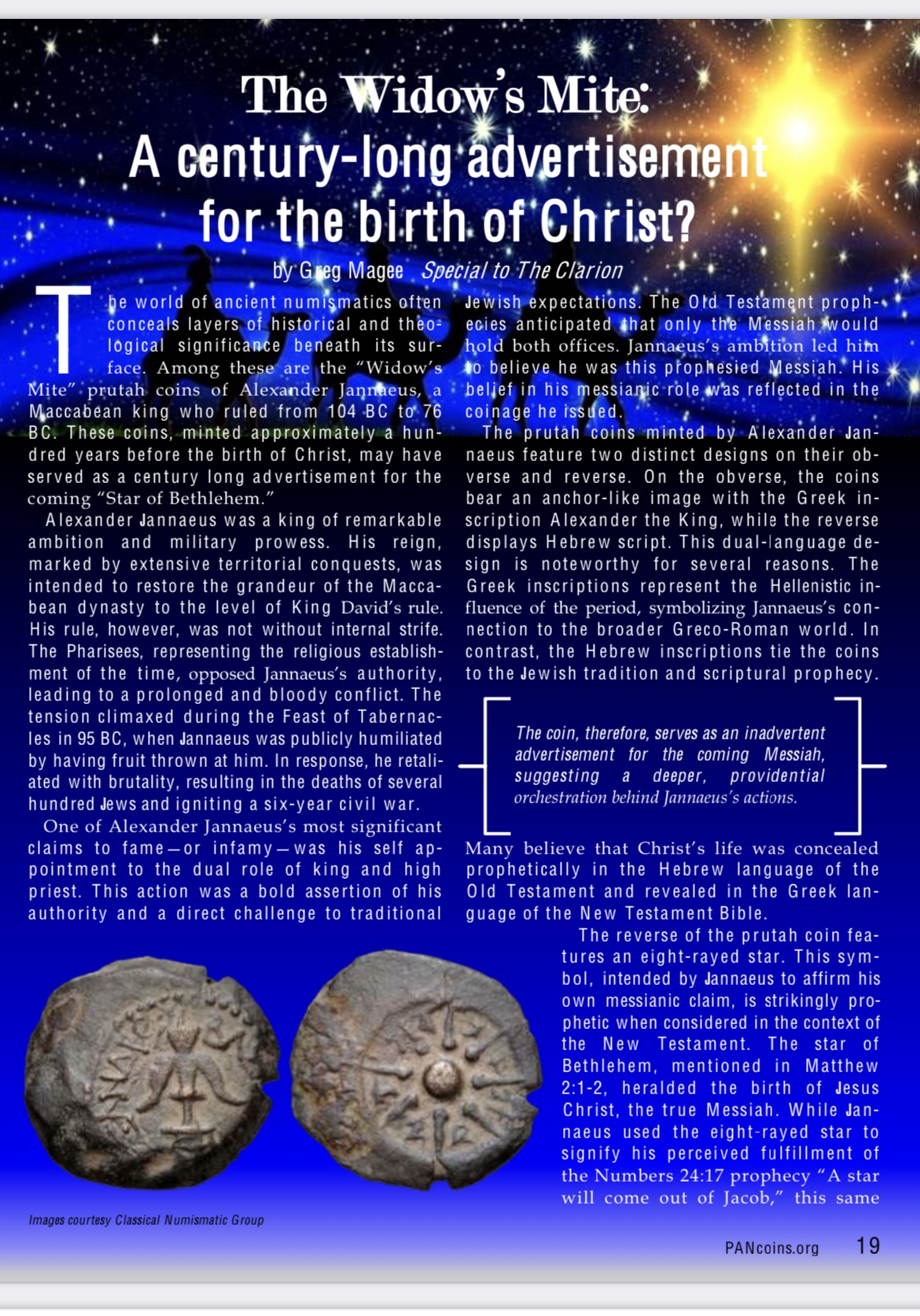
In Mark 12:41–44 and Luke 21:1–4, Jesus sits opposite the temple treasury and watches people contribute. Many wealthy donors give large sums. Then a poor widow approaches and drops in two small copper coins—lepta, the smallest denomination in circulation. Jesus declares that she has given more than all the others because she contributed “all she had, her whole livelihood.”

What Is the Widow’s Mite?
Article Image
Article Image
Evidence of Everyday Faithfulness

Archaeological & Historical Confirmation

These coins supply concrete evidence for the accuracy of the Gospel accounts. Archaeological excavations across Judea and Galilee regularly recover large numbers of such low-value bronzes in first-century strata. Their abundance demonstrates that the smallest unit of currency was ordinary and available to the poorest people—exactly the economic reality Jesus describes.

The existence of a formal temple treasury system into which even the tiniest offerings could be deposited is independently confirmed by both literary sources (Josephus, the Mishnah) and the physical coins themselves. The Gospels do not invent an idealized economic setting; they reflect the actual monetary environment of the time.
The Biblical Account

P

Luke 21:1–4

As Jesus observed worshippers making offerings at the temple treasury, He noticed a poor widow who contributed two small copper coins.

While many wealthy individuals gave large amounts, Jesus pointed to the widow’s offering as an example of true generosity because she gave out of her poverty rather than her abundance.

“Truly I tell you,” Jesus said, “this poor widow has put in more than all the others.” (Luke 21:3)

The story demonstrates that God values faithfulness, sacrifice, and trust more than the monetary value of a gift.

P

Mark 12:41–44

Mark’s Gospel records the same event and further emphasizes the contrast between those who gave from their excess wealth and the widow who gave all she had.

This teaching continues to inspire Christians today as a powerful example of wholehearted devotion to God.

Why Holding a Genuine Widow’s Mite Matters

Holding a genuine Widow’s Mite builds faith by making the abstract personal. The coin is not a later artistic recreation; it is a real object that once passed through human hands in the same city and era as Jesus. It reminds the believer that Scripture records ordinary people and ordinary transactions with precision. The widow’s act of total dependence on God becomes more vivid when one can see and touch the exact type of coin she offered. Divine valuation of the heart over quantity is no longer only a moral lesson—it is grounded in the material culture of first-century Jerusalem.

Coin Specifications

Typical Characteristics

Material:

Bronze

Region:

Judea

Period:

Second Temple Period

Approximate Diameter:

13–15 mm

Weight:

Varies

Biblical Reference:

Mark 12:41–44; Luke 21:1–4

Explore More Coins from the Bible

The Widow’s Mite is just one of many fascinating coins connected to biblical history. Explore other coins associated with the life of Jesus, the Roman Empire, and key events recorded throughout Scripture.

Frequently Asked Questions About the Widow’s Mite

What is the Widow's Mite?

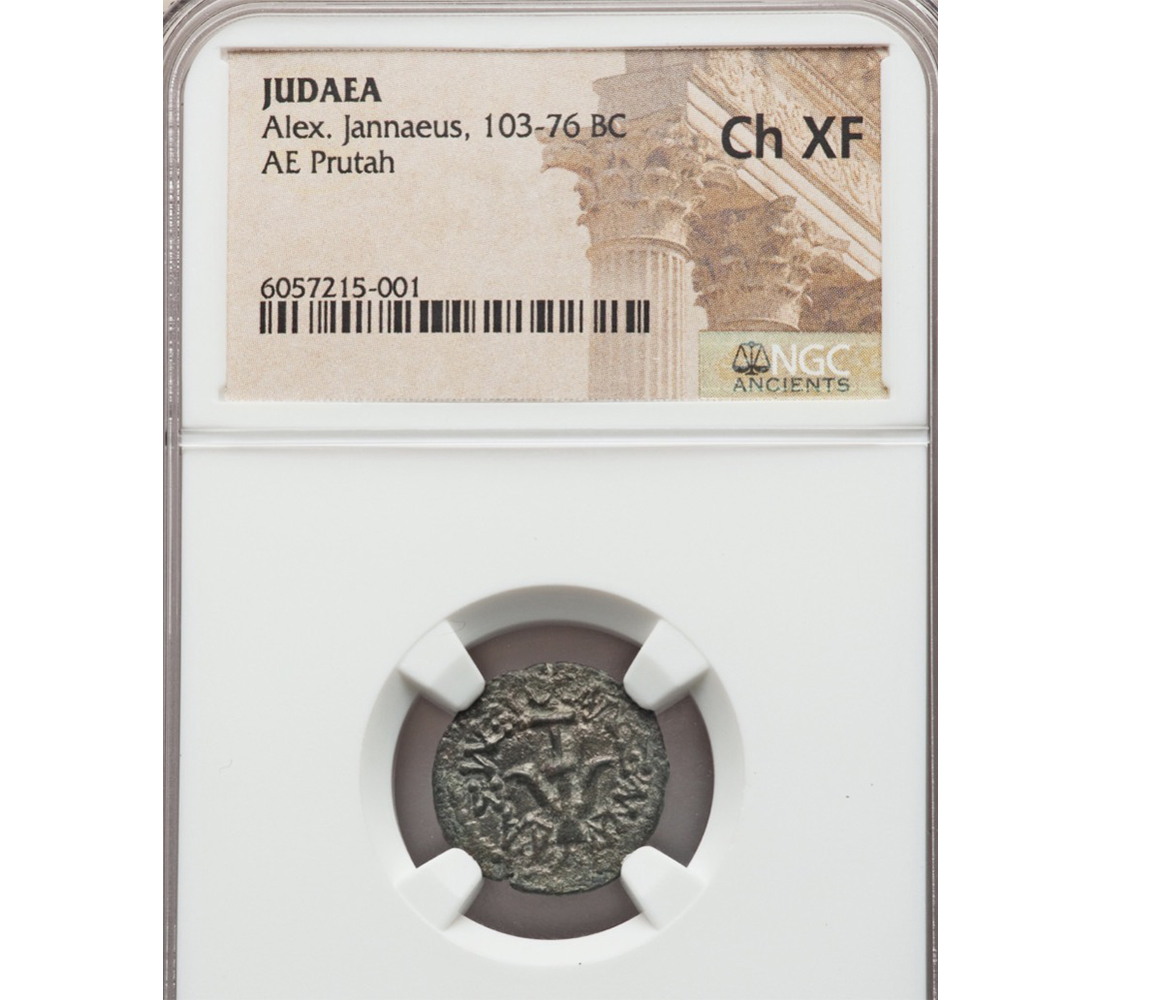
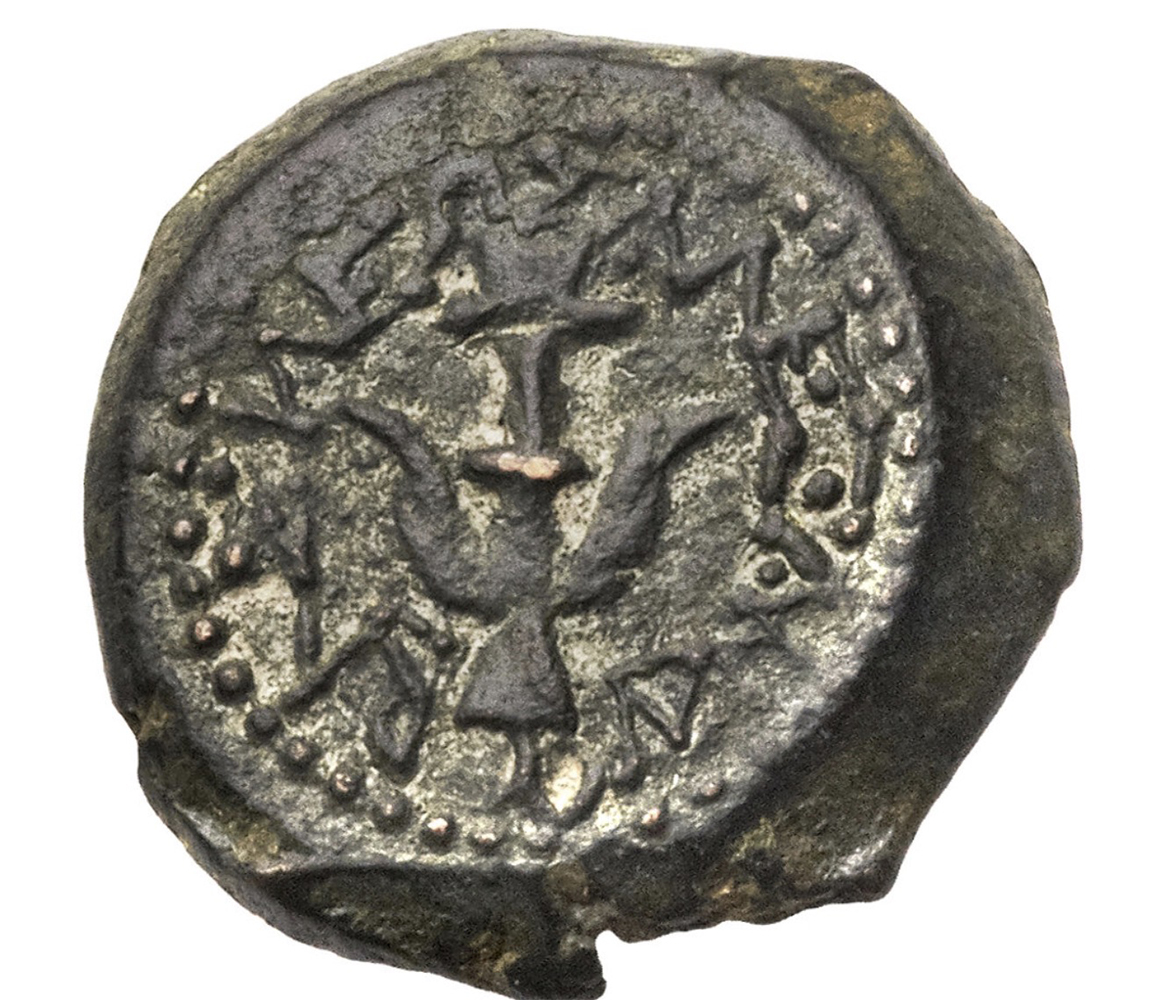
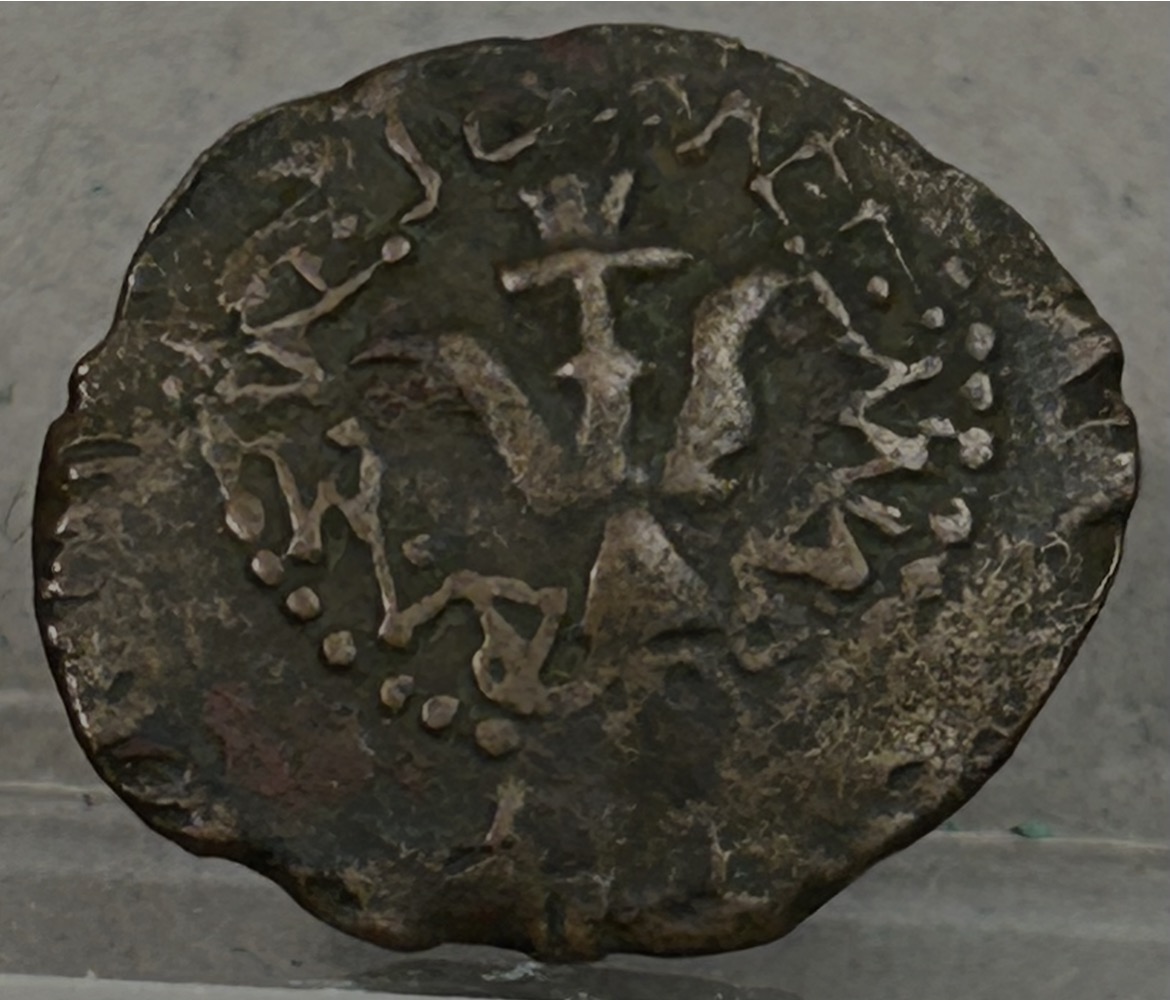
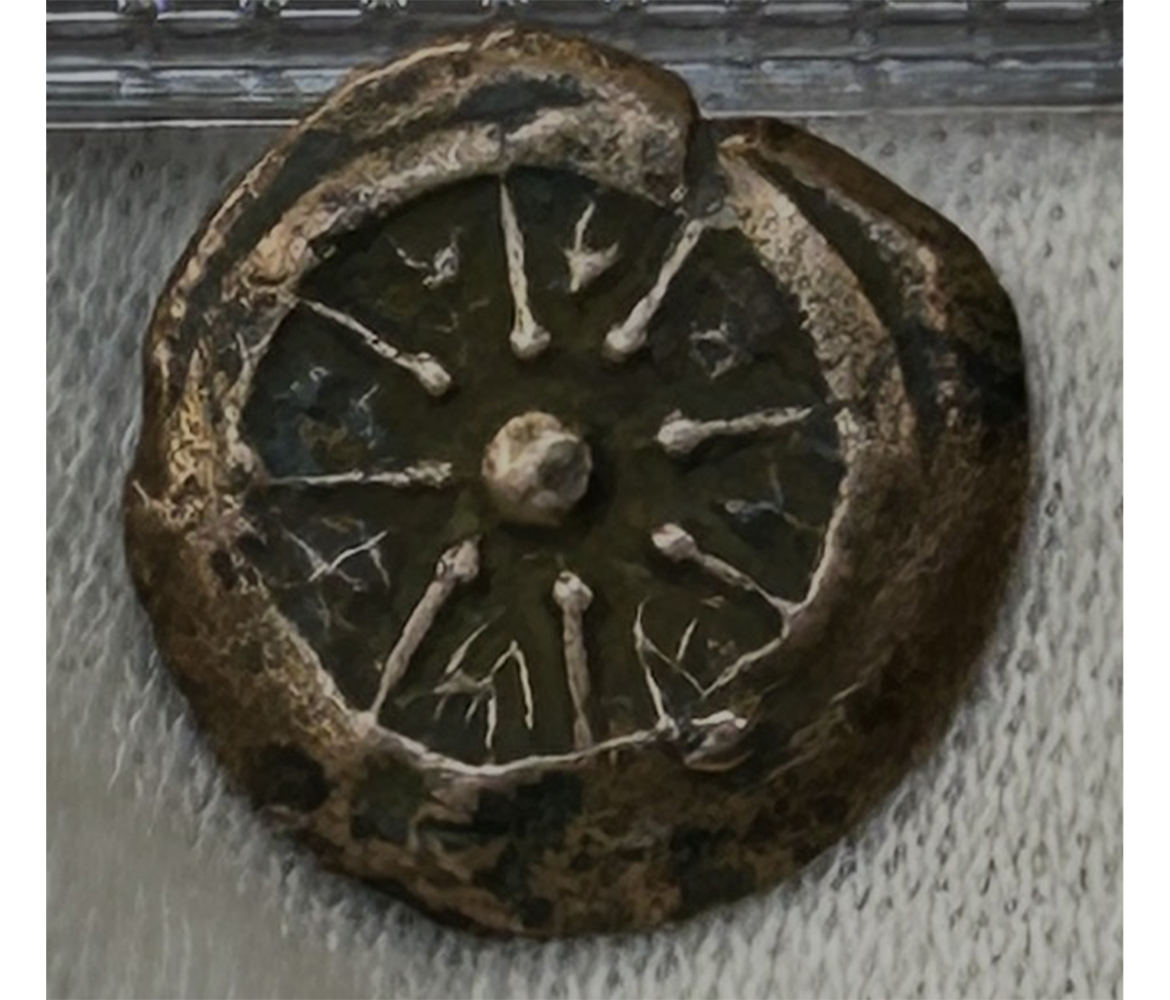
The Widow’s Mite refers to the tiny bronze coins (lepta or prutot) that a poor widow gave in the temple treasury, as recorded in Mark 12:41–44 and Luke 21:1–4. The coins most commonly identified with this story are the small bronze pieces struck in Judea during the late Hasmonean period, especially under Alexander Jannaeus (103–76 BC). These crude coins continued to circulate widely into the first century AD and were the lowest-value currency available to ordinary people.

Is the Widow’s Mite mentioned in the Bible?

Yes. The account appears in two Gospels. In Mark 12:41–44 and Luke 21:1–4, Jesus watches people putting money into the temple treasury. After wealthy donors give large amounts, a poor widow drops in two small copper coins. Jesus declares that she has given more than all the others because she contributed “all she had, her whole livelihood.”

How much was a Widow’s Mite worth?

A single lepton or prutah was the smallest denomination in circulation in first-century Judea. Two of them made up the widow’s entire gift. While their exact purchasing power is difficult to translate into modern currency, they represented a negligible sum for the wealthy yet everything for the poorest. Their tiny size (typically 13–15 mm) and low weight underscore how little monetary value the coins themselves held.

Are authentic Widow’s Mites still available today?

Yes. Genuine examples of these bronze lepta and prutot are regularly recovered in archaeological excavations across Judea and Galilee and are available to collectors. Because they were produced in large numbers and remained in circulation for decades, authentic pieces from the time of Jesus can still be obtained. Each genuine coin is a tangible link to the economic world described in the Gospels.

Why is the Widow’s Mite important to Christians?

The story illustrates that God measures the heart behind the gift rather than its monetary size. Holding an authentic Widow’s Mite makes this teaching concrete: the coin is not a later recreation but a real object that once circulated in the same time and place as Jesus. It reminds believers that Scripture records ordinary people and ordinary transactions with historical precision, and that wholehearted devotion—however small it may appear—is precious to God.

Discover the History Behind Scripture

Ancient coins offer a unique glimpse into the world of the Bible. Explore more biblical coins, historical research, and archaeological discoveries that help bring God’s Word to life.