The Science Behind the Coins from the Bible
How Science Helps Us Understand Biblical Coins
Ancient coins connected to the New Testament are not identified through tradition alone. Their origins, dates, and historical settings are evaluated using multiple forms of archaeological and scientific evidence.
How Are Ancient Biblical Coins Authenticated?
Archaeological Context
Inscriptions and Dated Legends
Hoard Analysis
Die and Typological Studies
Metal Composition Testing
Together, these methods create a more reliable picture of when a coin was made, where it circulated, and whether it belongs to the historical period associated with its biblical reference.
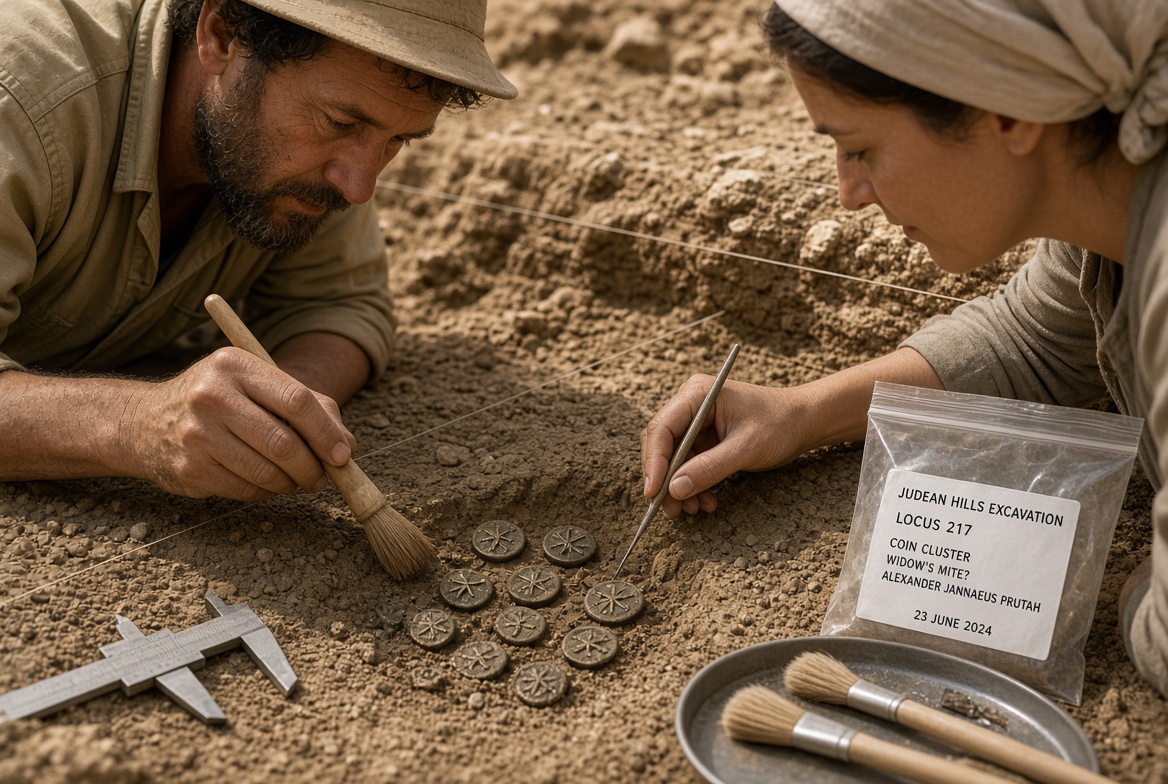
The Widow’s Mite: Evidence of an Everyday Coin
Although these coins were minted before the ministry of Jesus, archaeological evidence indicates that small bronze denominations could remain in circulation for generations.
Archaeological and Scientific Evidence
Prutot and lepta are among the most frequently recovered coins at Second Temple-period sites in Judea and Galilee. They have been found in first-century archaeological contexts and alongside later coins, supporting the conclusion that they continued to be used as low-value currency long after they were minted.
Researchers also examine the copper and lead in ancient bronze coins to identify differences in metal composition and possible production groups. Die studies indicate that these small coins were produced in substantial quantities—consistent with a denomination used in everyday transactions and small offerings.
Typology, archaeological context, circulation patterns, and metallurgical evidence therefore place these coins securely within the monetary world described by the Gospel account.
The Shekel of Tyre: Silver Connected to the Temple
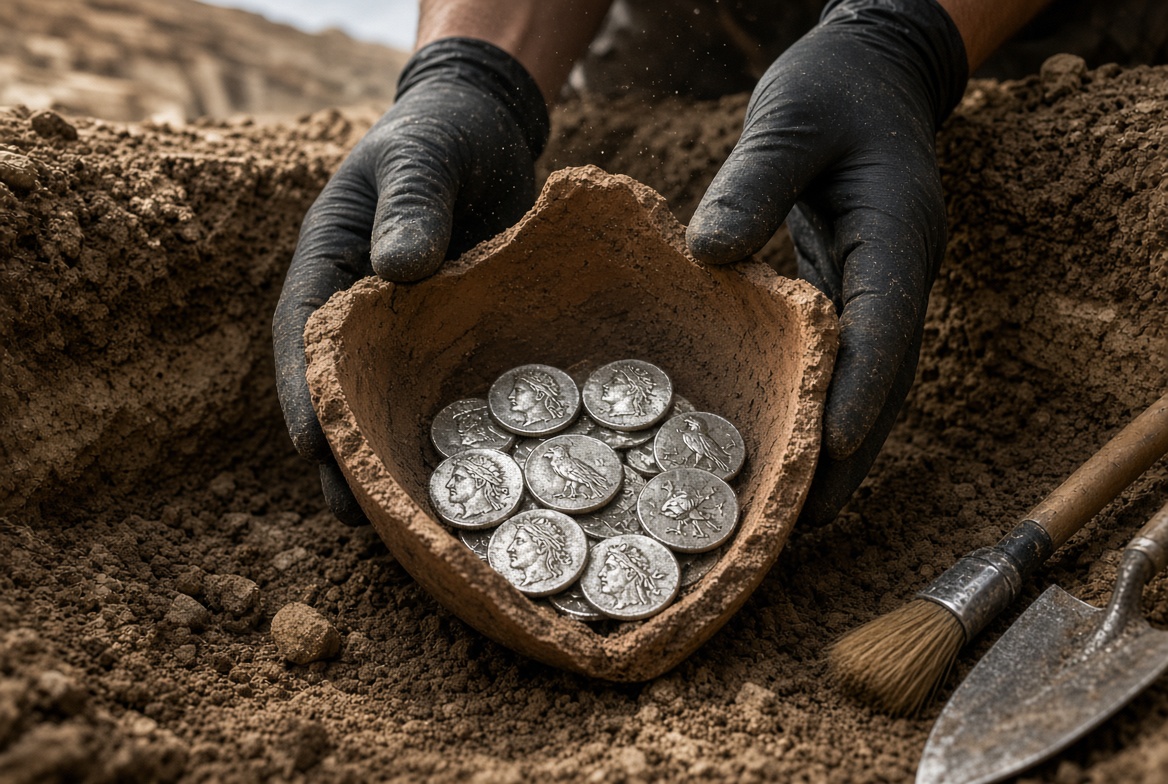
These coins were produced from 126/125 BC into the first century AD. Many carry Greek dates based on the Tyrian calendar, allowing individual specimens to be assigned to particular years.
 ">
Purity, Weight, and Hoard Evidence
Large groups of Tyrian silver coins have been recovered from sites including Isfiya, Qumran, and other Judean locations. The latest coins found in some hoards help establish when those groups were deposited, including examples associated with the period surrounding the First Jewish Revolt.
Scientific analysis has repeatedly demonstrated the high silver content of Tyrian shekels. Many specimens contain approximately 90–97 percent silver, while full shekels generally follow a weight standard near 14 grams. Their dependable weight and purity help explain why Tyrian currency was accepted for important religious payments despite its non-Jewish imagery.
Some researchers believe that coins continuing the Tyrian design may have been produced in or near Jerusalem after minting activity at Tyre changed or ended. The precise location remains a subject of scholarly discussion, but the coinage’s presence in Judean hoards and its consistent metal and weight standards firmly connect it to the region’s first-century economy.
Dated inscriptions, hoard evidence, weight standards, and metal composition make Tyrian shekels among the most closely studied silver coins associated with the New Testament.
The Coins of Pontius Pilate: Dated to the New Testament Era
His coins carry Greek regnal dates corresponding to approximately AD 29, 30, and 31—years that fall within the traditional period of Jesus’ public ministry.
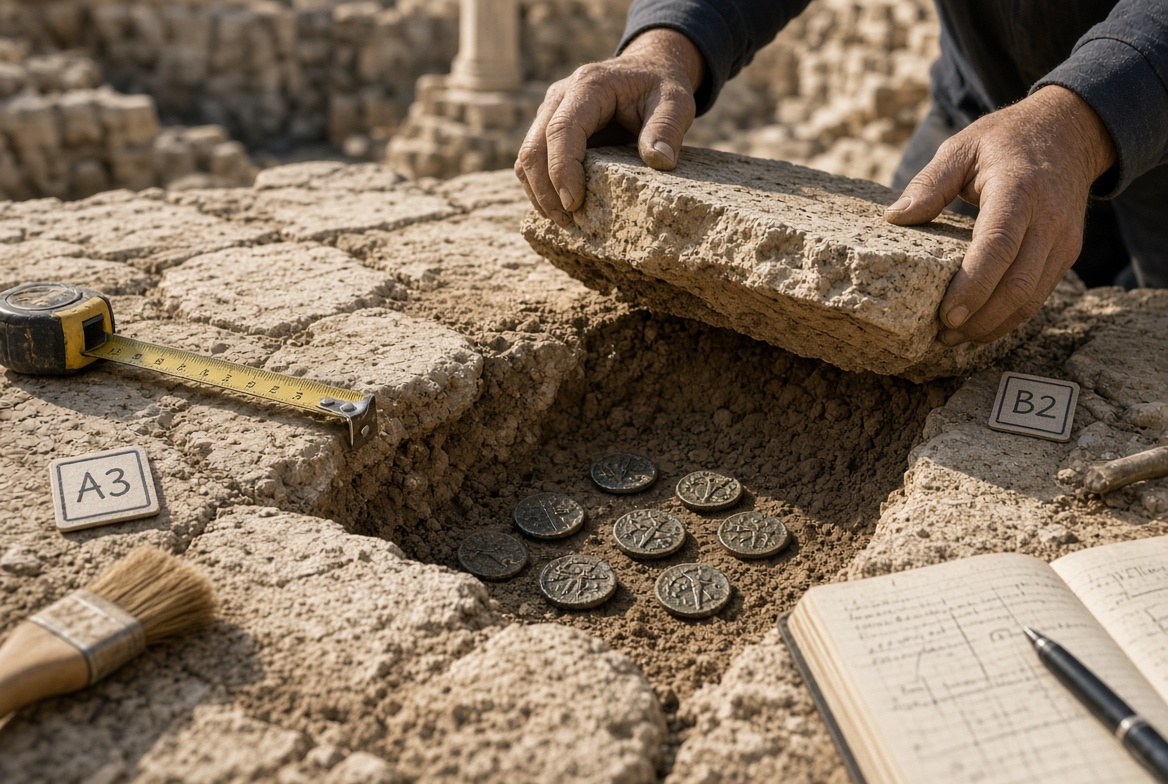 ">
Coins Beneath an Ancient Jerusalem Street
Coins issued during Pilate’s administration have been recovered in controlled excavations in Jerusalem and elsewhere in Judea. Excavations beneath paving stones along a major stepped street in the City of David area uncovered coins dating into Pilate’s administration. These finds provide evidence that parts of the street were constructed or completed during the first century rather than during the reign of Herod the Great.
Pilate’s coins can also be distinguished through their designs. Symbols including a simpulum and lituus appear alongside wreaths, grain ears, imperial inscriptions, and dates. Their imagery and lettering separate them from coins issued by earlier and later Roman prefects.
Because the coins combine ruler-specific designs, internal dates, documented excavation contexts, and identifiable manufacturing characteristics, they are securely attributed to Pontius Pilate’s administration.
The Tribute Penny: A Denarius Bearing Caesar’s Image
The traditional and most widely recognized identification is a silver denarius of Emperor Tiberius, who ruled from AD 14 to 37. This coin typically displays Tiberius’ laureate portrait on the obverse and a seated female figure—commonly identified as Livia represented as Pax—on the reverse.
How a Tiberian Denarius Is Identified
Researchers date and authenticate these coins by examining:
- Imperial titles and inscriptions
- Portrait and engraving styles
- Weight, generally approximately 3.5–4 grams
- Silver composition
- Die characteristics
- Minting patterns associated with Lugdunum, modern Lyon
- Comparison with established museum and numismatic collections
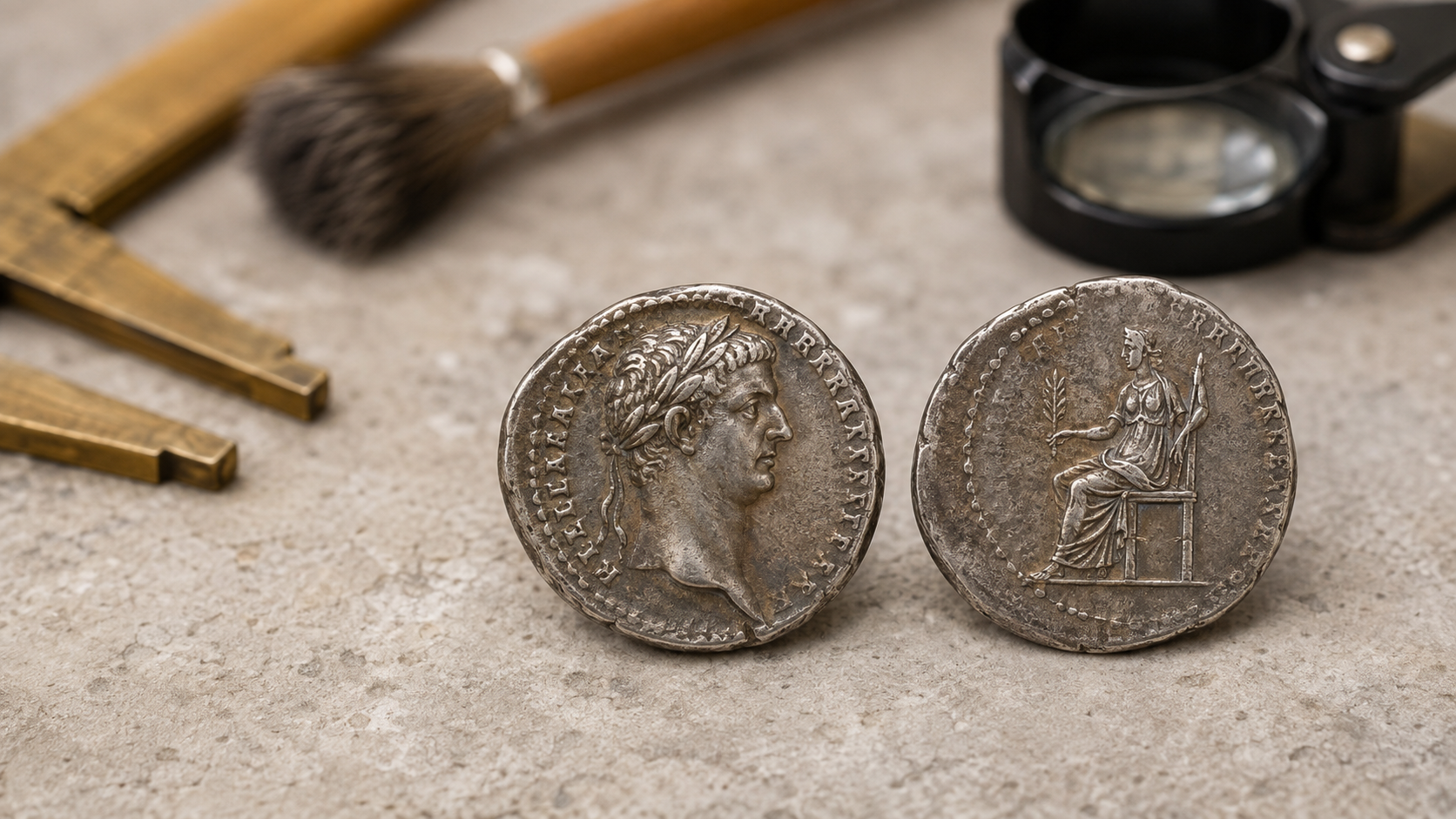 ">
Rather than claiming that every “Tribute Penny” must be a Tiberian denarius, the evidence supports presenting it as the traditional and historically plausible identification.
Four Coins, Multiple Lines of Evidence
| Biblical coin | Principal dating evidence | Important scientific or archaeological evidence |
|---|---|---|
| Widow’s Mite | Hasmonean typology and ruler attribution | Excavated examples, circulation patterns, die studies, and metal analysis |
| Shekel of Tyre | Greek year dates and consistent coin series | Hoards, silver-purity testing, weight standards, and metallurgical comparison |
| Coins of Pontius Pilate | Regnal dates corresponding to AD 29–31 | Jerusalem excavations, ruler-specific symbols, and typological analysis |
| Tribute Penny | Imperial titles, portrait style, and minting patterns | Weight, silver composition, die analysis, and comparison with documented specimens |
This convergence matters. A dated inscription may identify when a coin was issued, while an archaeological layer demonstrates where and when it circulated. Metal testing can establish whether its composition is consistent with genuine specimens, and die comparison can connect it to a known ancient production group.
Material Evidence From the World of the New Testament
Archaeology and scientific analysis cannot determine the theological meaning of a biblical passage. They can, however, establish that these coin types are authentic products of the appropriate historical periods and that they circulated within the broader world described by the Gospel writers.
Together, inscriptions, archaeological settings, hoards, die studies, weight measurements, and metal analysis allow these small objects to offer an extraordinary view into the real-world setting of Scripture.
Frequently Asked Questions About the Science Behind Biblical Coins
How do researchers authenticate ancient biblical coins?
What is X-ray fluorescence analysis?
Why are coin hoards important to archaeologists?
How is the Widow’s Mite connected to the time of Jesus?
How are the coins of Pontius Pilate dated?
Is the Tribute Penny definitely a denarius of Tiberius?
What can ancient coins tell us about the New Testament world?
CONTINUE YOUR DISCOVERY