COINS OF THE OLD TESTAMENT: The Book of Daniel
The traditional interpretation of Nebuchadnezzar’s statue in Daniel 2, the silver, bronze, and iron successive metals are understood to symbolize increasing military strength from the Medo-Persian Empire (silver) through the Greek Empire (bronze) to the Roman Empire (iron).
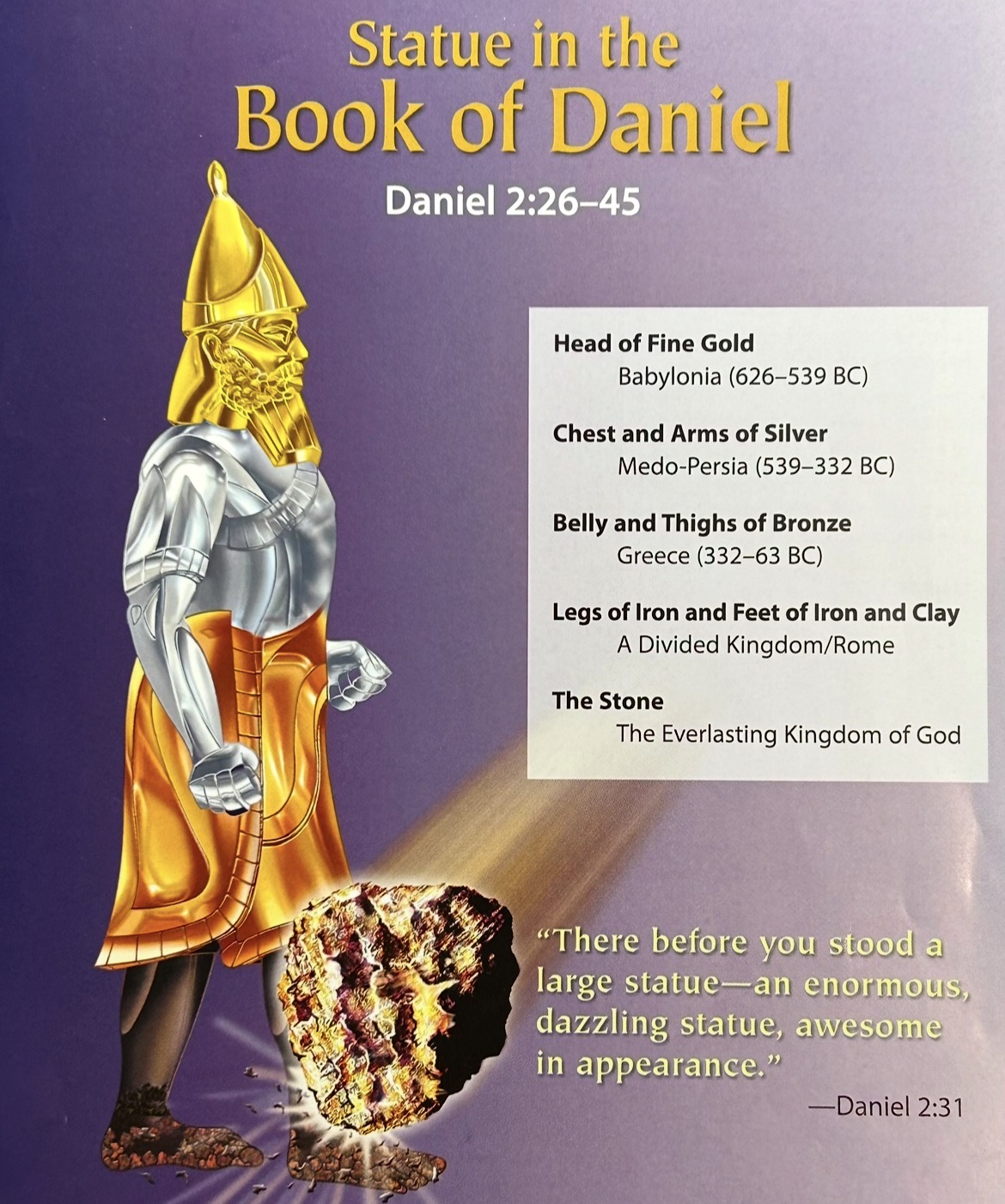
Daniel 2:39–40 explicitly frames the sequence this way: the second kingdom (silver) is “inferior” in quality/glory to the golden Babylonian head, the third (bronze) rules more extensively, and the fourth is “strong as iron, for iron breaks and smashes everything.” The metals themselves decline in value but rise in hardness and destructive power, matching the common reading that each successive empire was militarily tougher and more capable of crushing its predecessors than the one before it.
The Prophecies of Daniel: From Earthly Empires to Christ’s Eternal Kingdom
The Book of Daniel stands as one of Scripture’s clearest demonstrations of divine foresight over human history. Written in the sixth century BC during the Babylonian exile, Daniel’s visions outline a succession of world empires that would rise and fall before the establishment of an everlasting kingdom. These prophecies, especially in chapters 2, 7, and 8, accurately map the transition from the Medo-Persian Empire through Alexander the Great’s Greek dominion and the Roman Empire, culminating in the unshakable reign of Christ.
Daniel 2:39–40 explicitly frames the sequence this way: the second kingdom (silver) is “inferior” in quality/glory to the golden Babylonian head, the third (bronze) rules more extensively, and the fourth is “strong as iron, for iron breaks and smashes everything.” The metals themselves decline in value but rise in hardness and destructive power, matching the common reading that each successive empire was militarily tougher and more capable of crushing its predecessors than the one before it.
In Daniel chapter 2, King Nebuchadnezzar dreams of a great statue composed of successive metals. The head of gold represents Babylon. The chest and arms of silver depict the Medo-Persian Empire that would conquer Babylon in 539 BC under Cyrus the Great.
The silver’s chest and arms correspond to the dual nature of the Medo-Persian alliance. History confirms the accuracy: Persia absorbed Media and extended its rule from India to Ethiopia, fulfilling the prophecy’s scope before its eventual decline.
The statue’s bronze belly and thighs represent the Greek Empire. Daniel 8 sharpens the picture with the vision of a ram with two horns (Medo-Persia) and a male goat (Greece). The goat charges from the west “without touching the ground,” a striking image of Alexander the Great’s lightning campaigns. In 334–323 BC, Alexander defeated the Persians at Granicus, Issus, and Gaugamela, toppling the silver empire in a few short years.
The goat’s single prominent horn is Alexander himself; when it is broken, four horns arise in its place (Daniel 8:8, 21–22). After Alexander’s death in 323 BC, his empire fractured among four generals, Cassander, Lysimachus, Seleucus, and Ptolemy, exactly as foretold.
The statue’s legs of iron portray the Roman Empire. Symbolizing the advances of Iron Age Warfare over those of the Bronze age. Daniel 7 depicts this fourth beast as “terrifying and dreadful and exceedingly strong,” with iron teeth that devour and crush (Daniel 7:7). Rome’s rise from the second century BC onward, its conquest of the eastern Mediterranean, and its iron-fisted administration fulfill the imagery. The feet of iron mixed with clay point to the empire’s later internal divisions and fragility, a reality that became evident as the Western Empire weakened.
Yet the prophecies do not end with Rome. In the dream of the statue, a stone “cut out but not human hands” strikes the image on its feet, shattering all the metals, and then grows into a mountain that fills the whole earth (Daniel 2:34–35, 44–45). Daniel interprets this as the God in heaven setting up a kingdom that “shall never be destroyed” and that “shall stand forever.” In Daniel 7, after the four beasts, “one like a son of man” comes with the clouds of heaven and receives everlasting dominion, glory, and a kingdom that will not pass away (Daniel 7:13–14).
Christians have long recognized this as a prophecy of Jesus Christ.
Born under Roman rule, crucified under a Roman governor, and risen from the dead, Christ inaugurated a spiritual kingdom that outlasts every earthly power. Unlike the temporary empires of silver, bronze, iron and clay. His reign is eternal.
These successive fulfillments: Persia rising after Babylon, Alexander’s swift conquest and the fourfold division of his empire, Rome’s iron strength, and the arrival of an everlasting kingdom, demonstrate that history unfolds according to divine purpose. The prophecies of Daniel do not merely record the past; they point forward to the One whose kingdom alone endures.
Chest and Arms of Silver
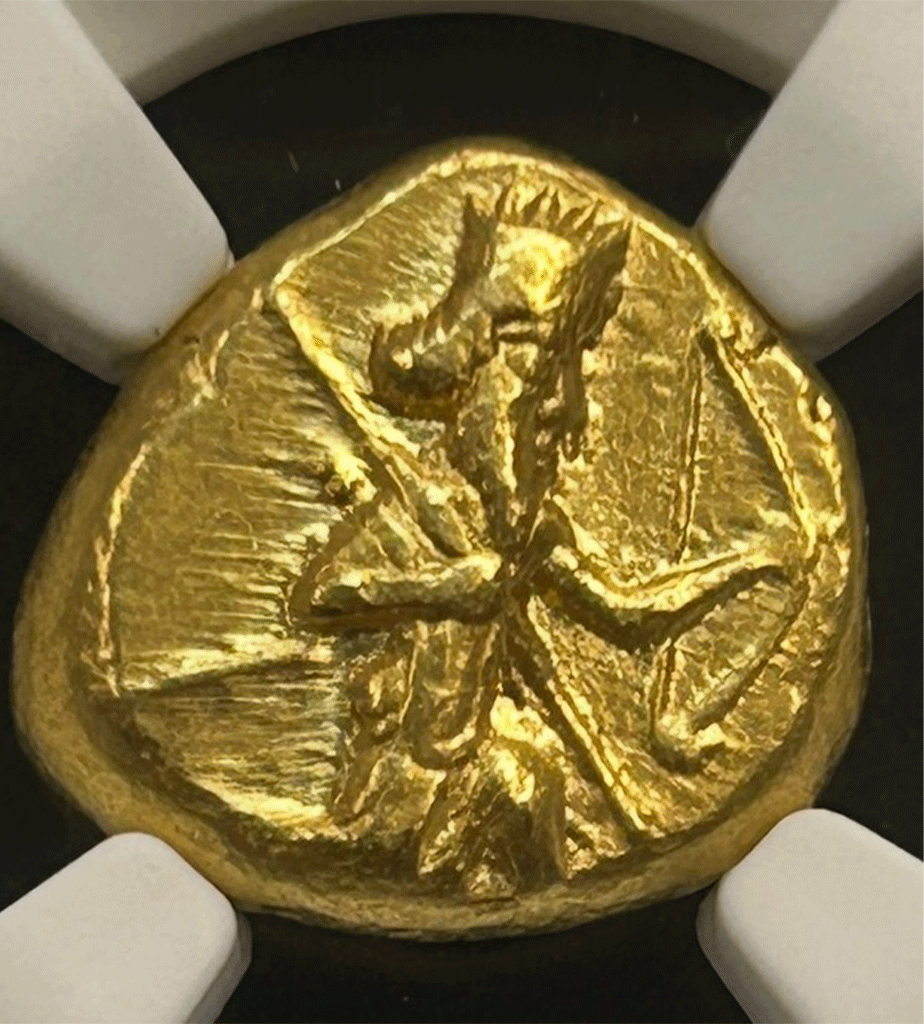
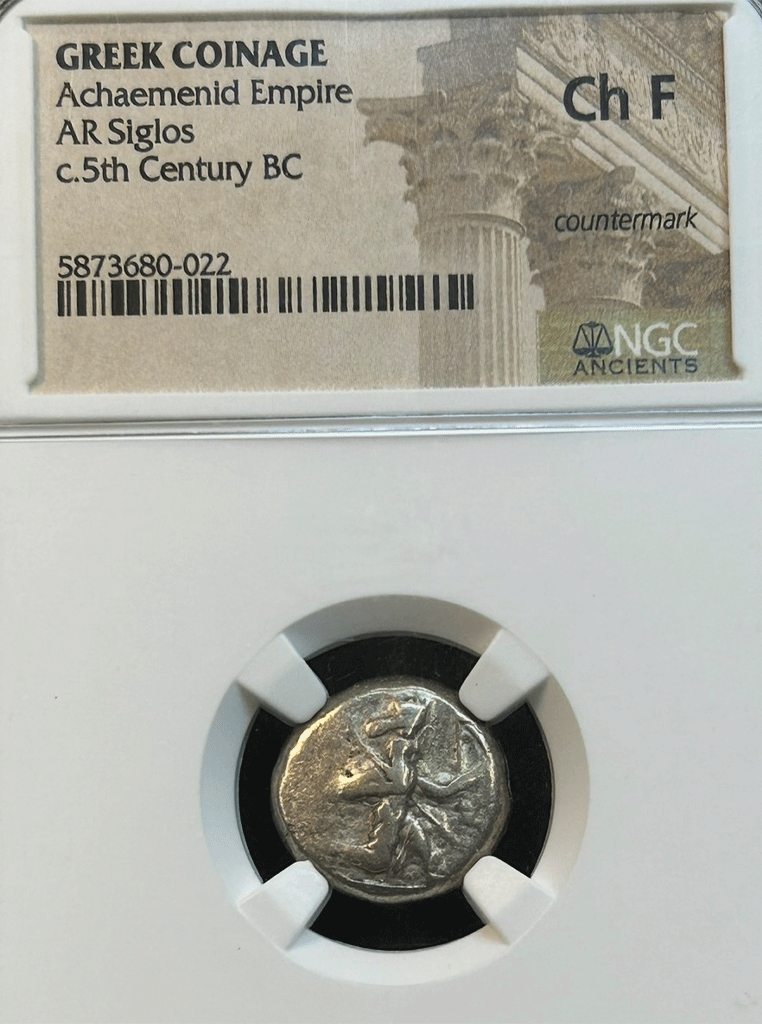
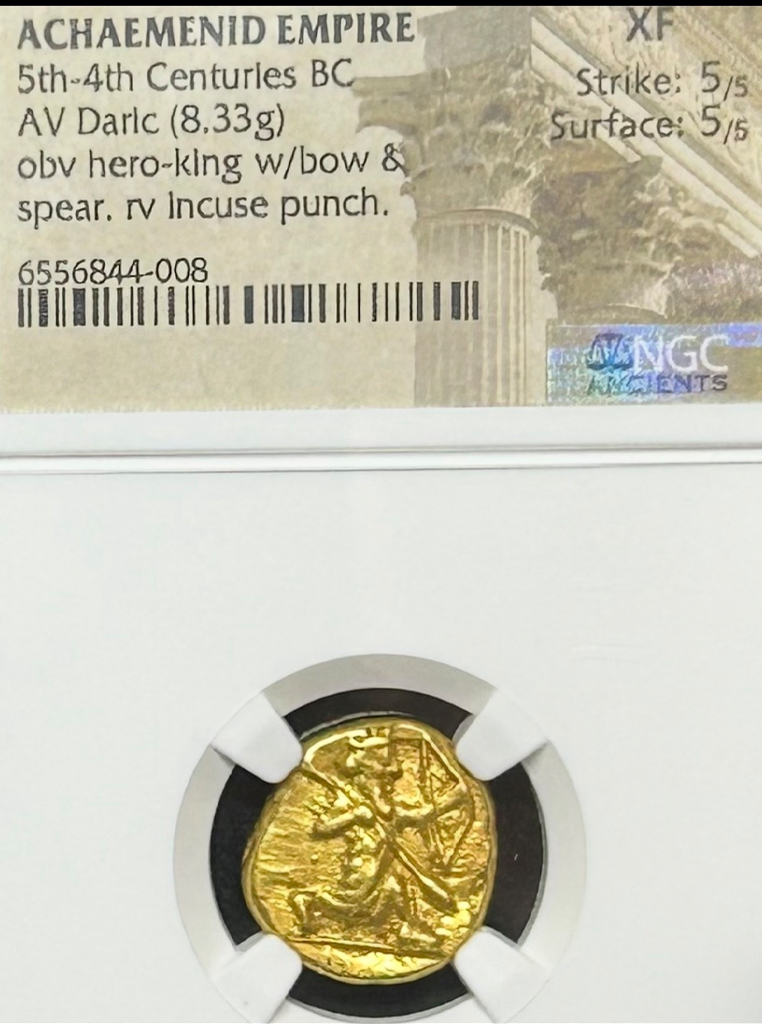
Persian Gold Daric and Silver Siglos
Period: Persian Empire (Approx. 522–486 BC)
Description
The Persian Gold Daric is one of the earliest and most famous coins connected to the biblical world. Minted during the reign of King Darius I, these coins circulated throughout the Persian Empire during the time when many of the Jewish people returned from exile to rebuild Jerusalem and the Temple.
The story of King Darius and Daniel’s experience in the lion’s den is told in Daniel Chapter 6.
The gold daric is the first coin mentioned in the Bible in the Books of Ezra and Nehemiah.
Scripture References
- Ezra 1:1–4 – King Cyrus allows the Jewish exiles to return to Jerusalem.
- Ezra 6:1–15 – King Darius confirms the rebuilding of the Temple.
- Nehemiah 2:1–8 – Nehemiah receives permission from Artaxerxes to rebuild Jerusalem.
- Esther 1:1–3 – The Persian Empire during the reign of Ahasuerus (Xerxes).
Belly and Thighs of Bronze
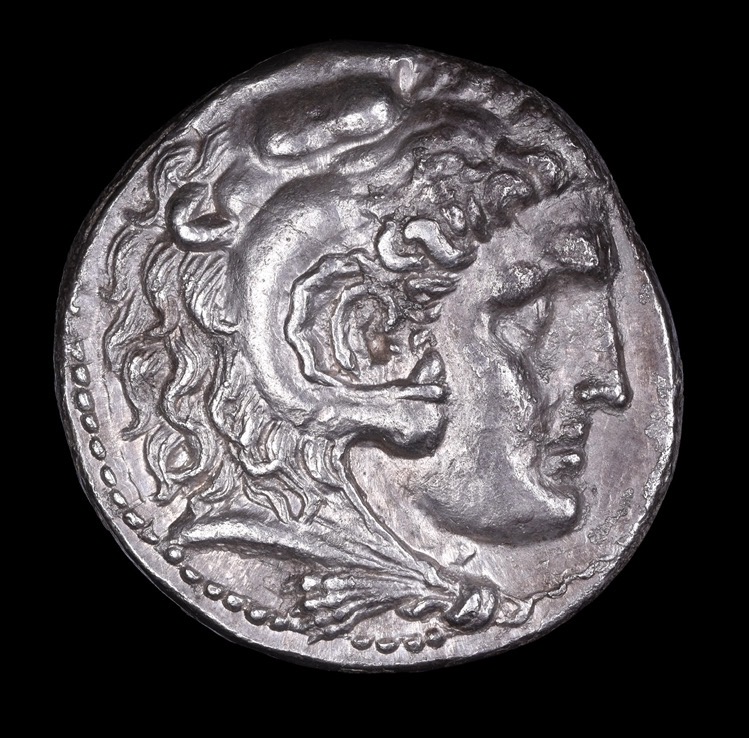
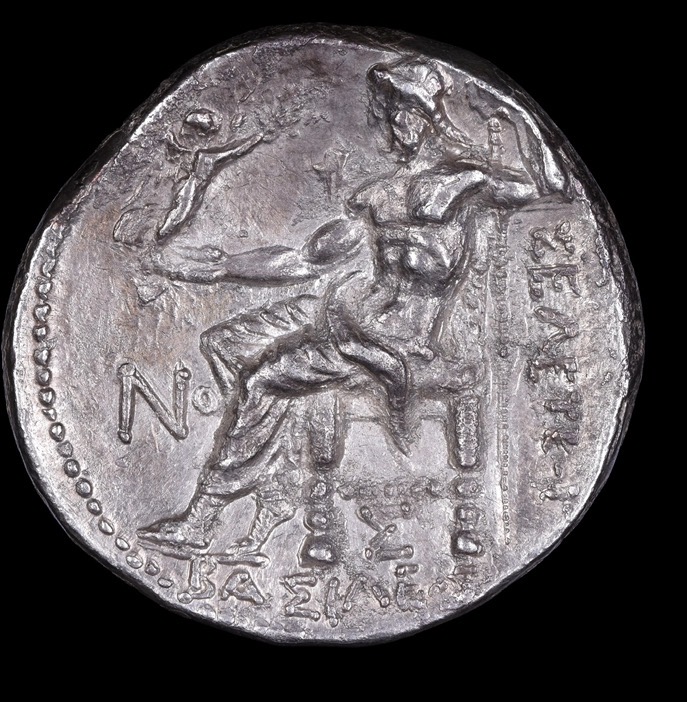
Alexander the Great Tetradrachm
Description
Following Alexander the Great’s conquest of the Persian Empire, Greek influence spread across the biblical world. His silver tetradrachms became one of the most recognized and widely circulated coins in history.
Scripture References
- Daniel 8:5–8 – The vision of the goat, understood by many as representing Greece under Alexander.
- Daniel 8:21–22 – The rise and division of the Greek Empire.
- Daniel 11:3–4 – The mighty king and the division of his kingdom.
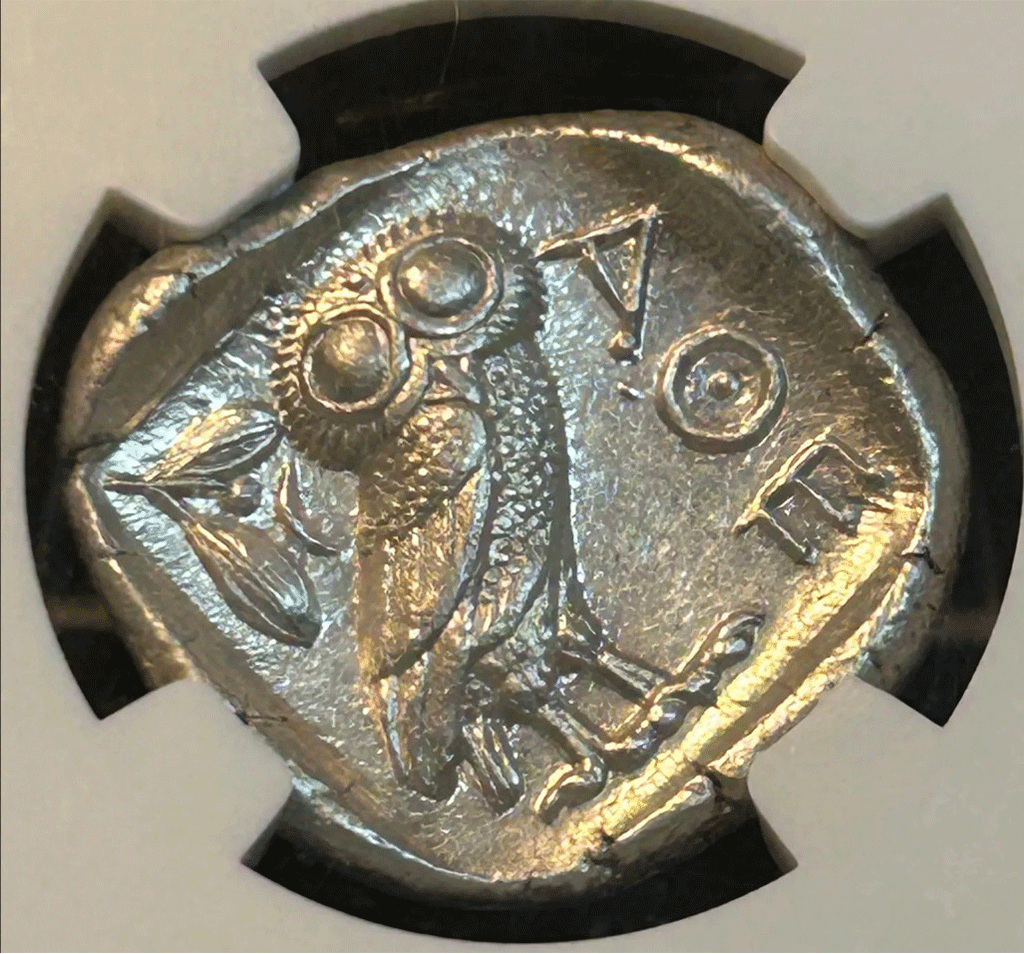
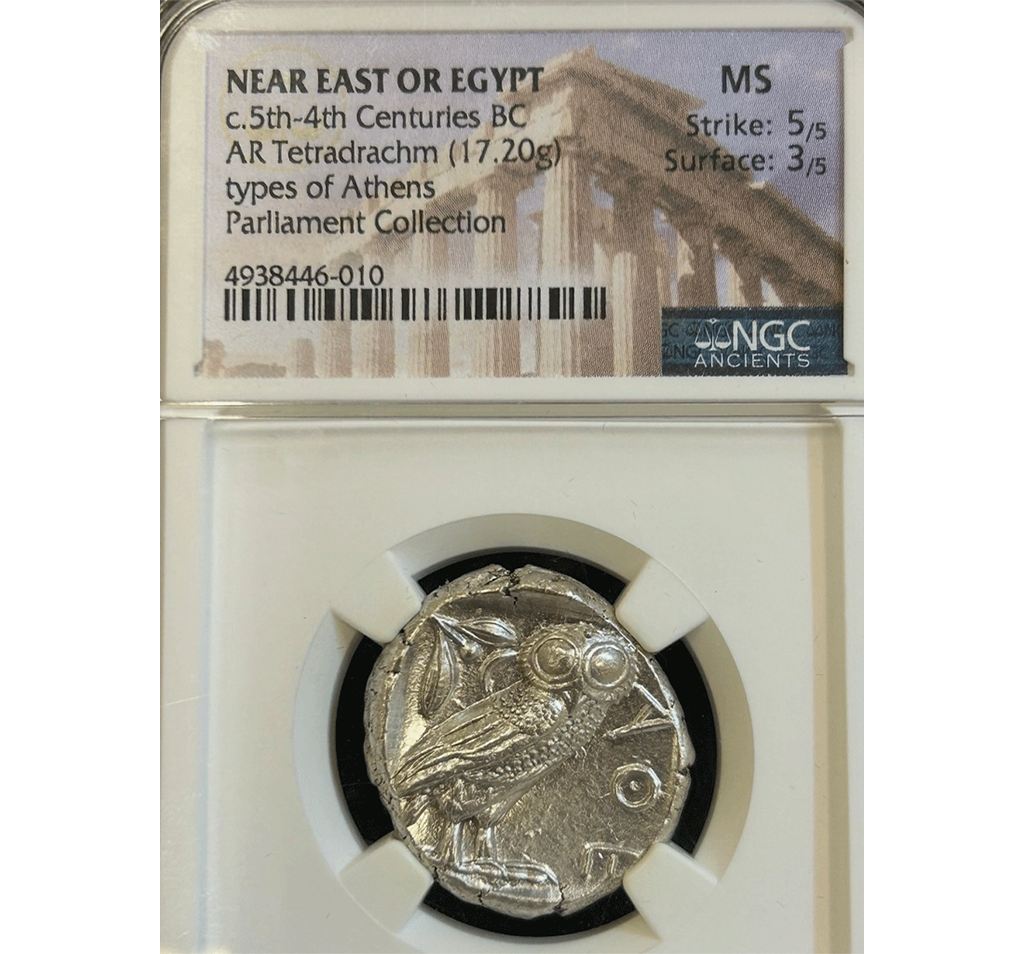
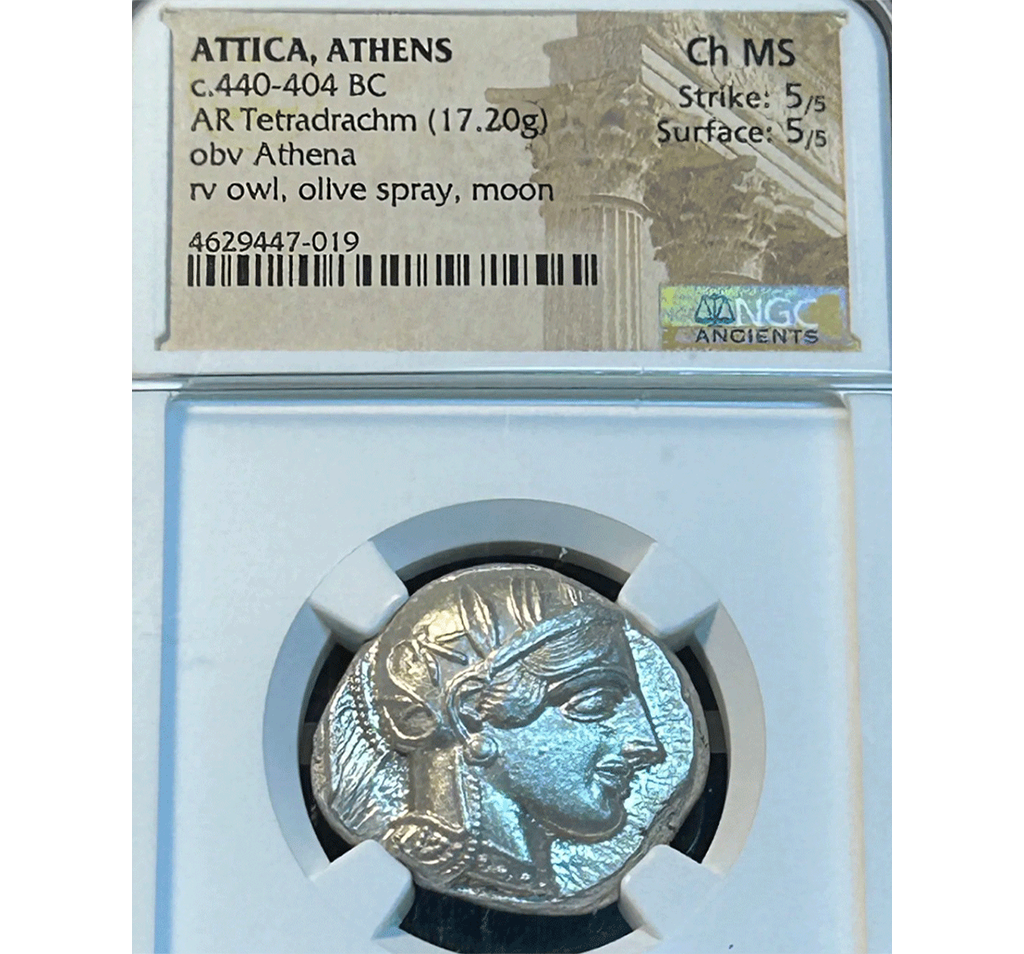
Athenian Owl
Description
The Athenian Tetradrachm with Athena on the Obverse and her Owl on the reverse is one of the most recognized of all ancient coins. Minted at the height of the city’s power, it symbolizes the establishment of the Belly and Thighs of Bronze mentioned in Daniel Chapter.
Legs of Iron and Feet of Clay
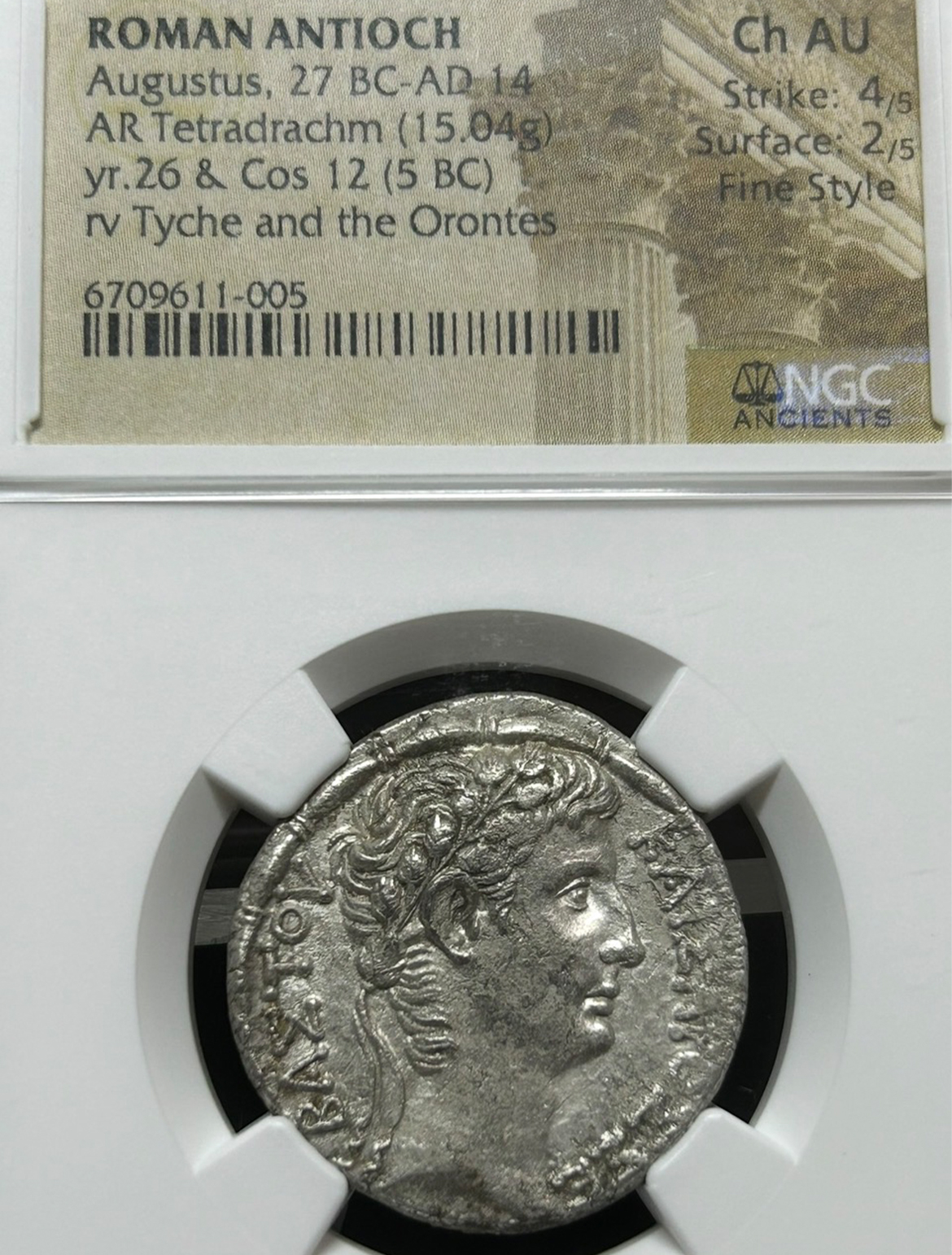
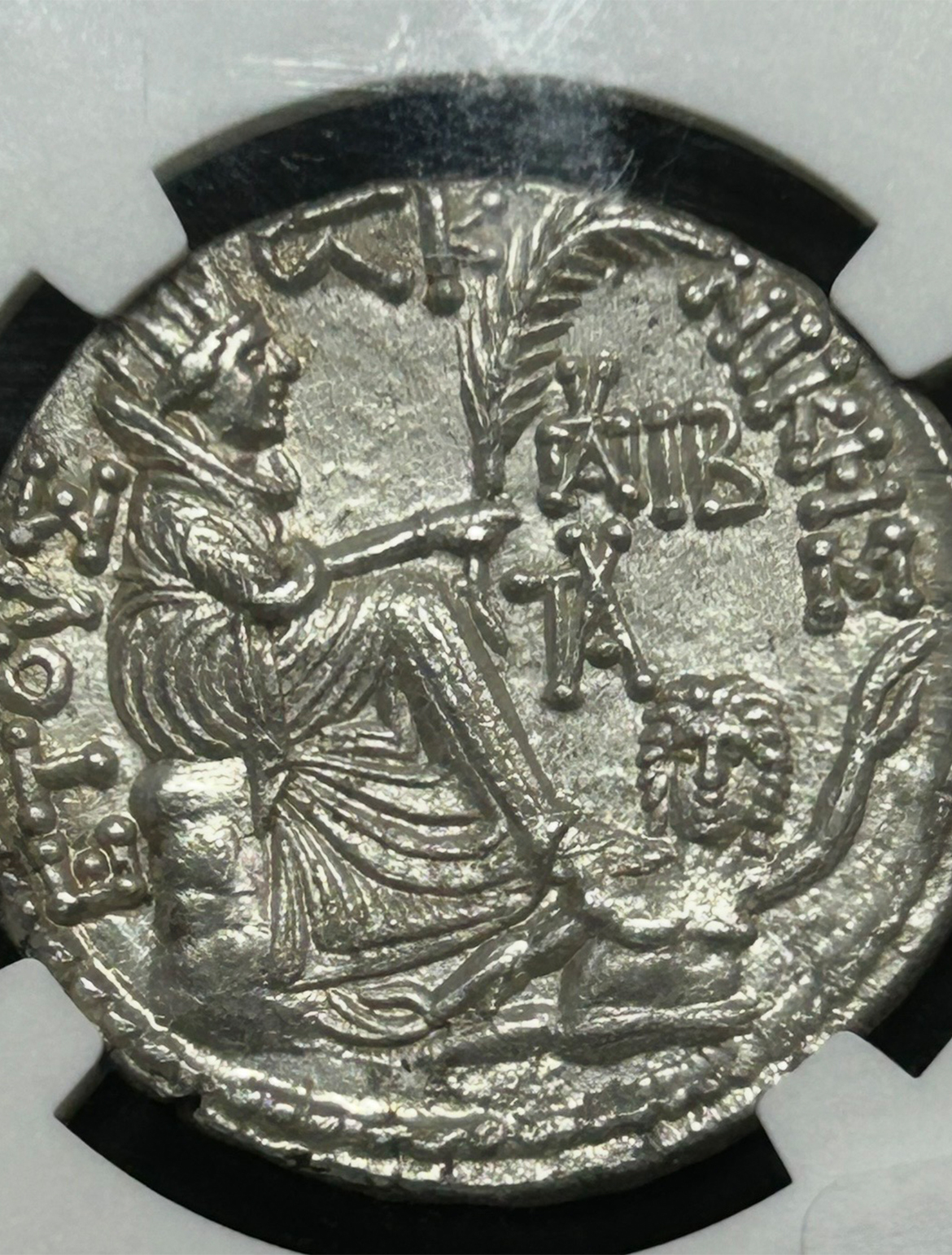
Rome Coin
Description
Rome is symbolized as the future empire that crushed every opponent with unmatched military strength, just as iron shatters gold, silver and bronze. The Augustus coin was minted during the Birth Year of Christ. The Tiberius coin was minted in AD 33, widely believed to be Christ’s Crucifixion Year.
The Stone
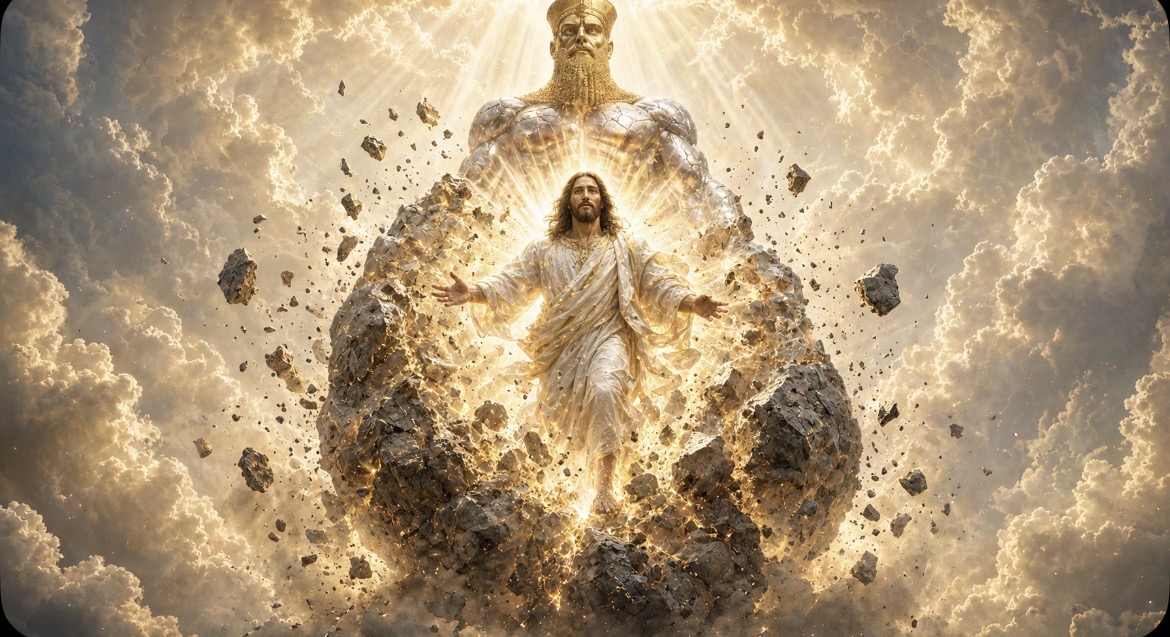
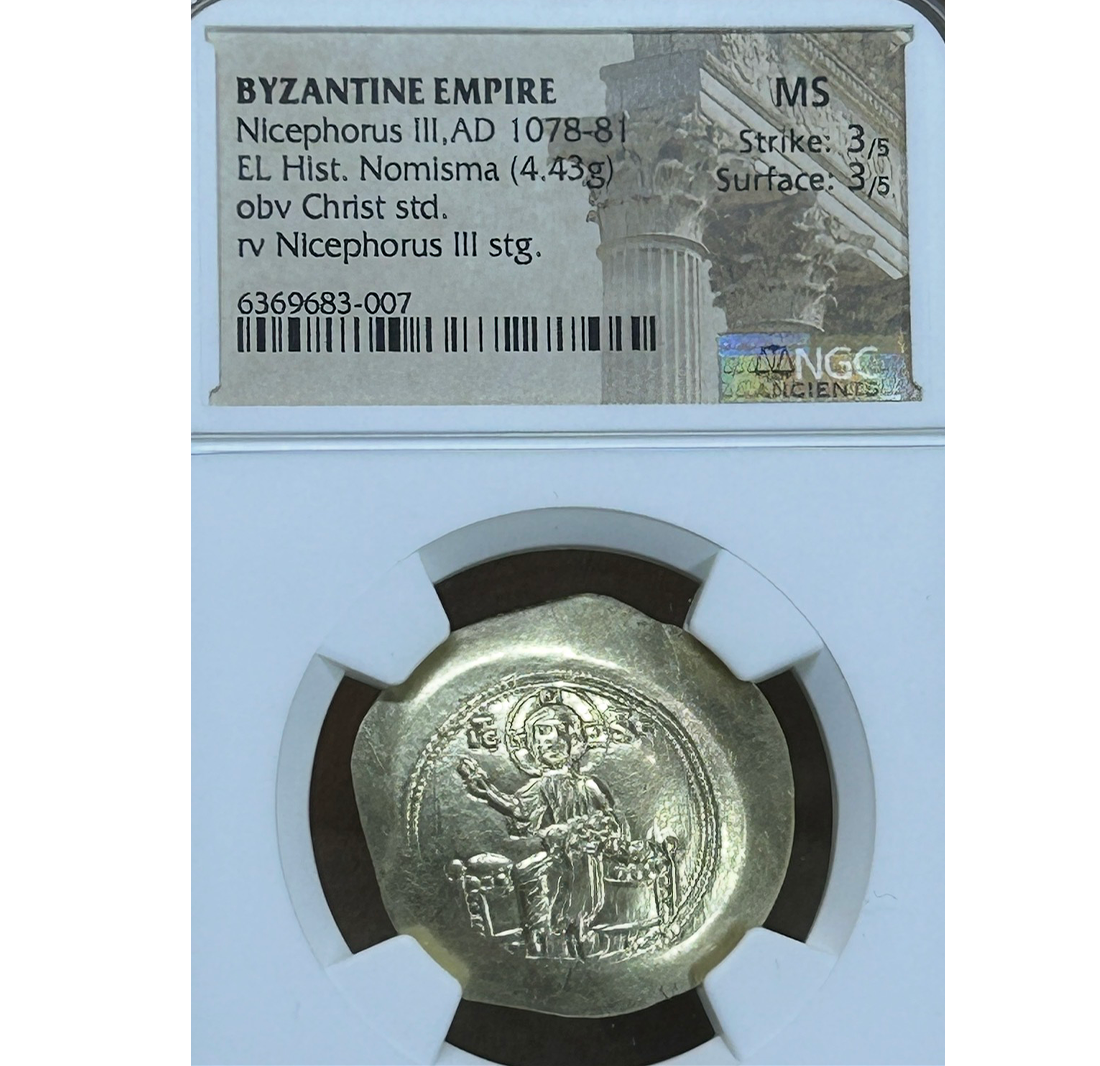
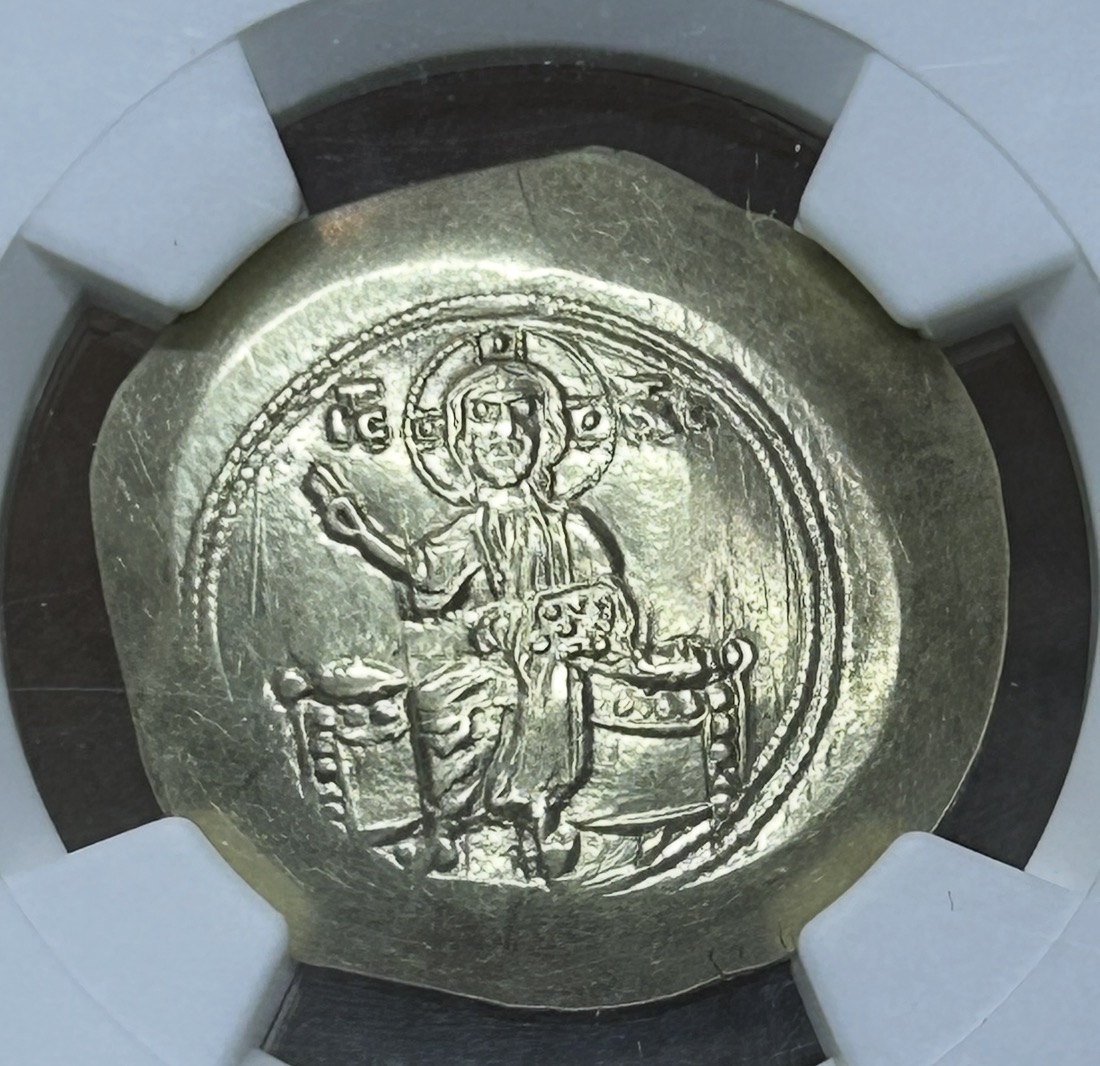
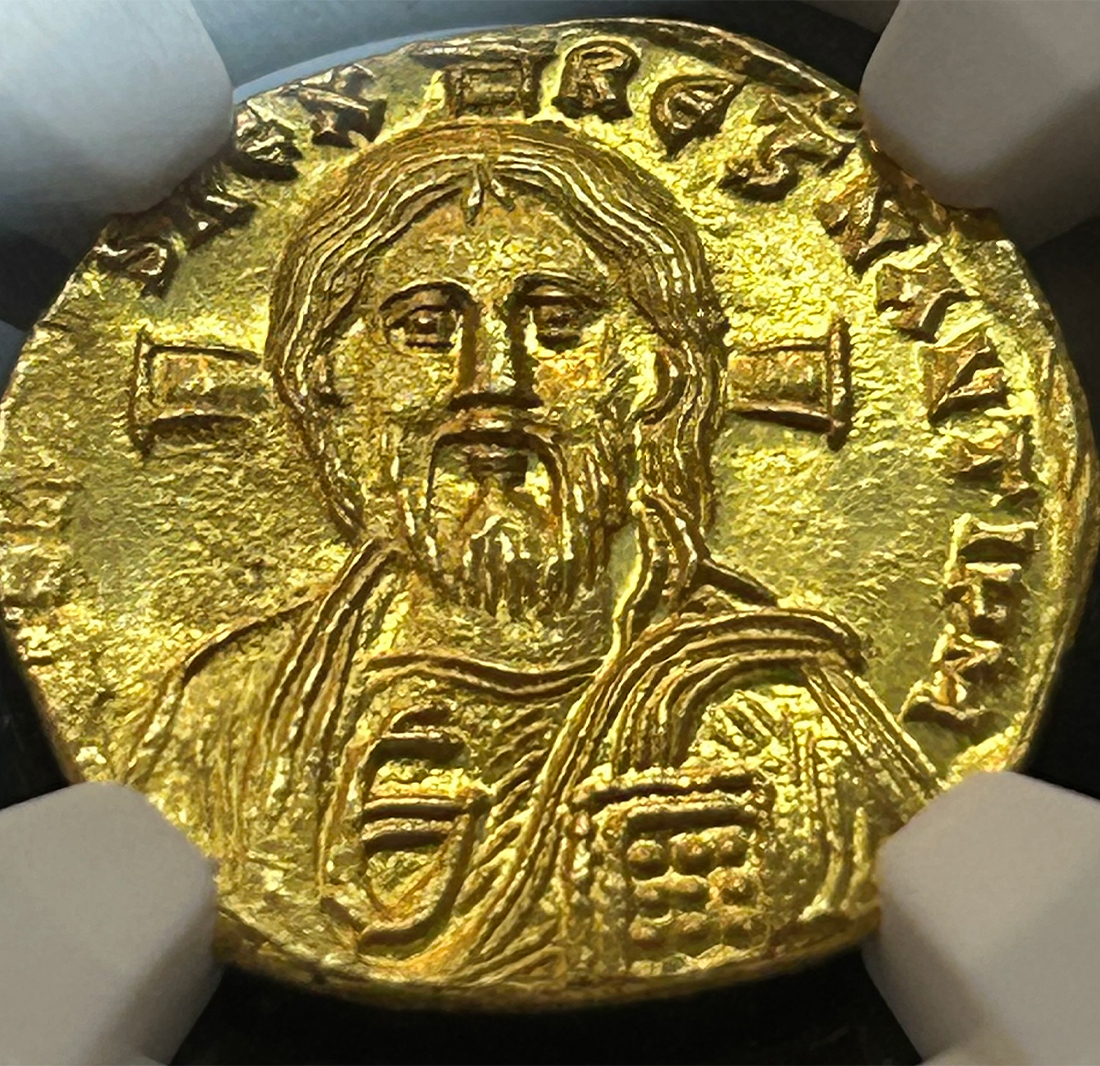
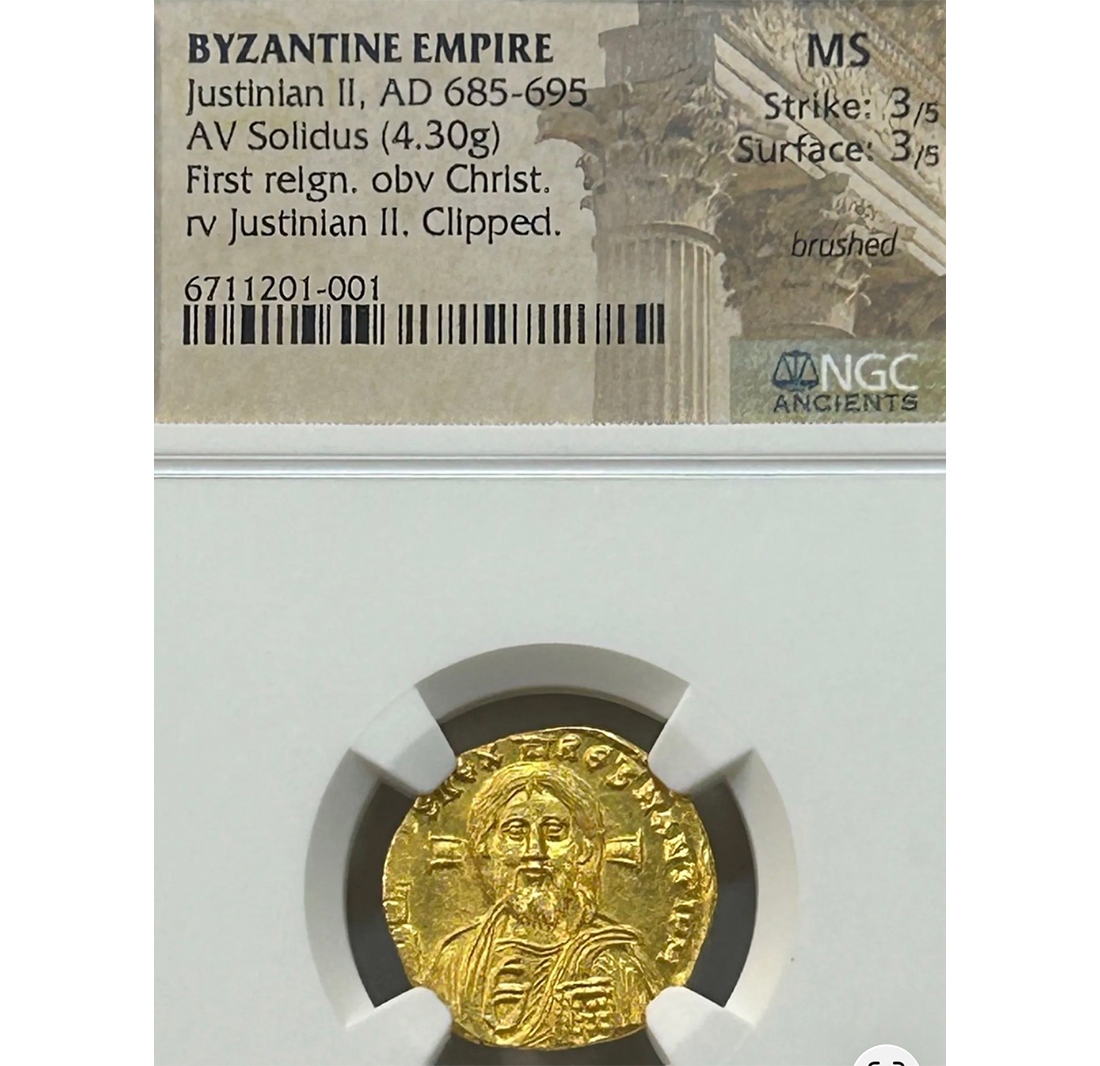
Christ Coin