Biblical Timeline
The Bible is rooted in real history, real people, and real events. Ancient coins provide a fascinating way to trace the historical timeline of Scripture, offering tangible connections to the rulers, governments, and cultures mentioned throughout God’s Word.
As you explore the timeline below, you’ll discover where key biblical coins fit within history and how archaeology continues to illuminate the world behind the Bible.
Coins from the Bible Timeline
Persian Period
Following the Babylonian exile, the Persian Empire allowed the Jewish people to return to Jerusalem and rebuild the Temple. This era marks the beginning of widespread coinage throughout the biblical world and provides important context for later Jewish and biblical coins.
Greek Period
The conquests of Alexander the Great spread Greek culture, language, and commerce throughout the ancient world. Greek influence would shape the political and economic landscape encountered by later biblical generations.
Hasmonean Kingdom
Jewish leaders regained independence and began producing some of the earliest Jewish coins. Many of the coin types commonly associated with the Widow's Mite originated during this period and continued circulating into the New Testament era.
Roman Rule Begins
Rome established control over Judea, bringing significant political, cultural, and economic changes. Roman currency became increasingly common throughout the region and would later play a central role in several New Testament accounts.
Reign of Tiberius Caesar
During the reign of Tiberius Caesar, many of the most significant biblical coins circulated throughout Judea. This period coincides with the ministry of Jesus and many events recorded in the Gospels.
Governorship of Pontius Pilate
Pontius Pilate served as Roman governor of Judea during the ministry, trial, and crucifixion of Jesus. Coins minted under his administration provide one of the closest archaeological connections to the events of Holy Week.
Holy Week
The final week of Jesus' earthly ministry includes several events directly connected to ancient coins. The "Render Unto Caesar" teaching, Judas' acceptance of thirty pieces of silver, and the authority exercised by Pontius Pilate all occurred during this pivotal period.
Holy Week Timeline
Palm Sunday
Jesus enters Jerusalem as crowds welcome Him as the promised Messiah.
Monday
Jesus cleanses the Temple and challenges corruption within the religious system, where moneychangers exchanged pagan currencies for Temple shekels.
Tuesday
Jesus teaches in the Temple courts and responds to challenges from religious leaders, including the famous "Render Unto Caesar" account involving a Roman Tiberius denarius coin.
Wednesday
Judas Iscariot agrees to betray Jesus to the chief priests in exchange for thirty pieces of silver (typically Tyrian shekels).
Thursday
Jesus celebrates the Last Supper with His disciples before praying in the Garden of Gethsemane, where He is arrested.
Friday (Good Friday)
Jesus is tried before the Roman procurator Pontius Pilate (who minted his own bronze prutah coins in Judea) and is ultimately crucified.
Saturday
Jesus rests in the tomb guarded by Roman soldiers while His followers mourn and wait in silence.
Sunday (Resurrection Sunday)
Jesus rises from the dead, fulfilling ancient prophecy and securing victory over sin and death.
Explore Related Bible Coins
 class="coin-img">
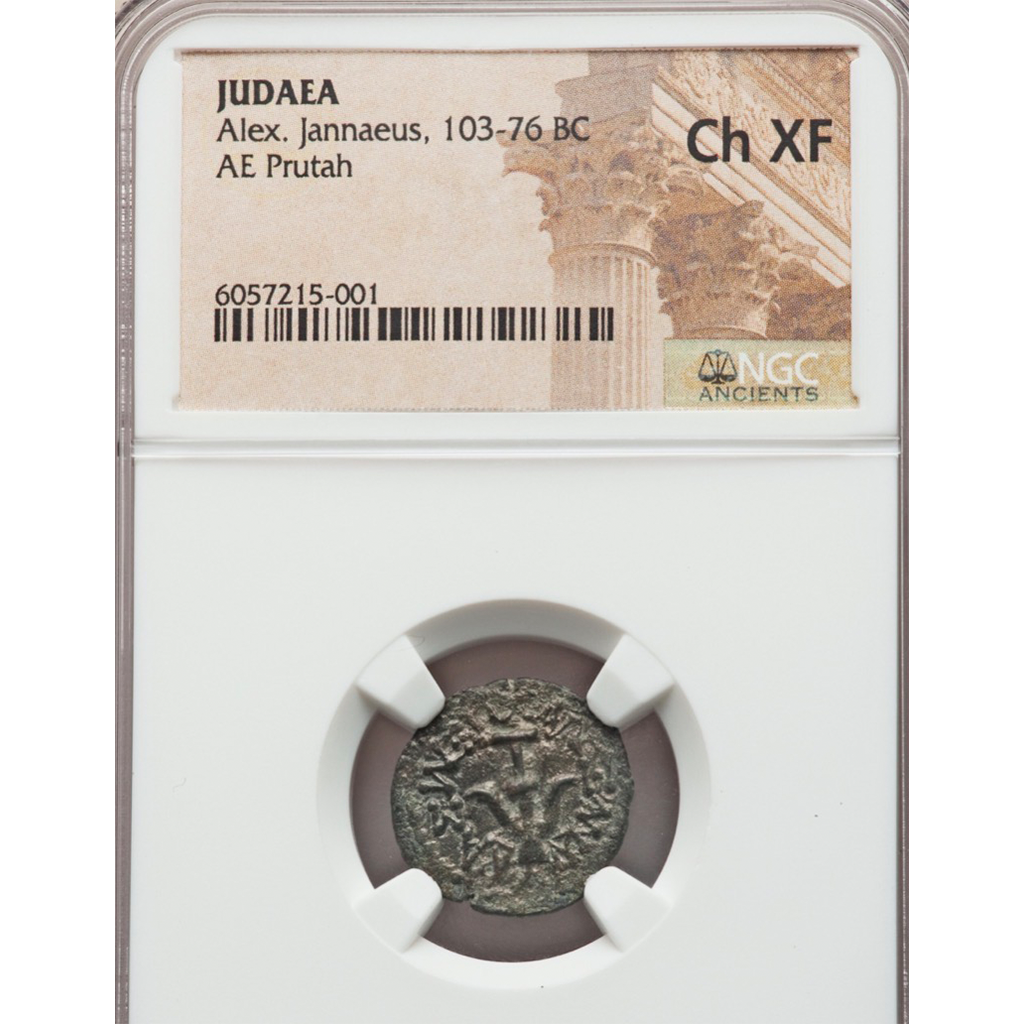
Widow's Mite
Humble bronze coin illustrating true sacrifice and trust.
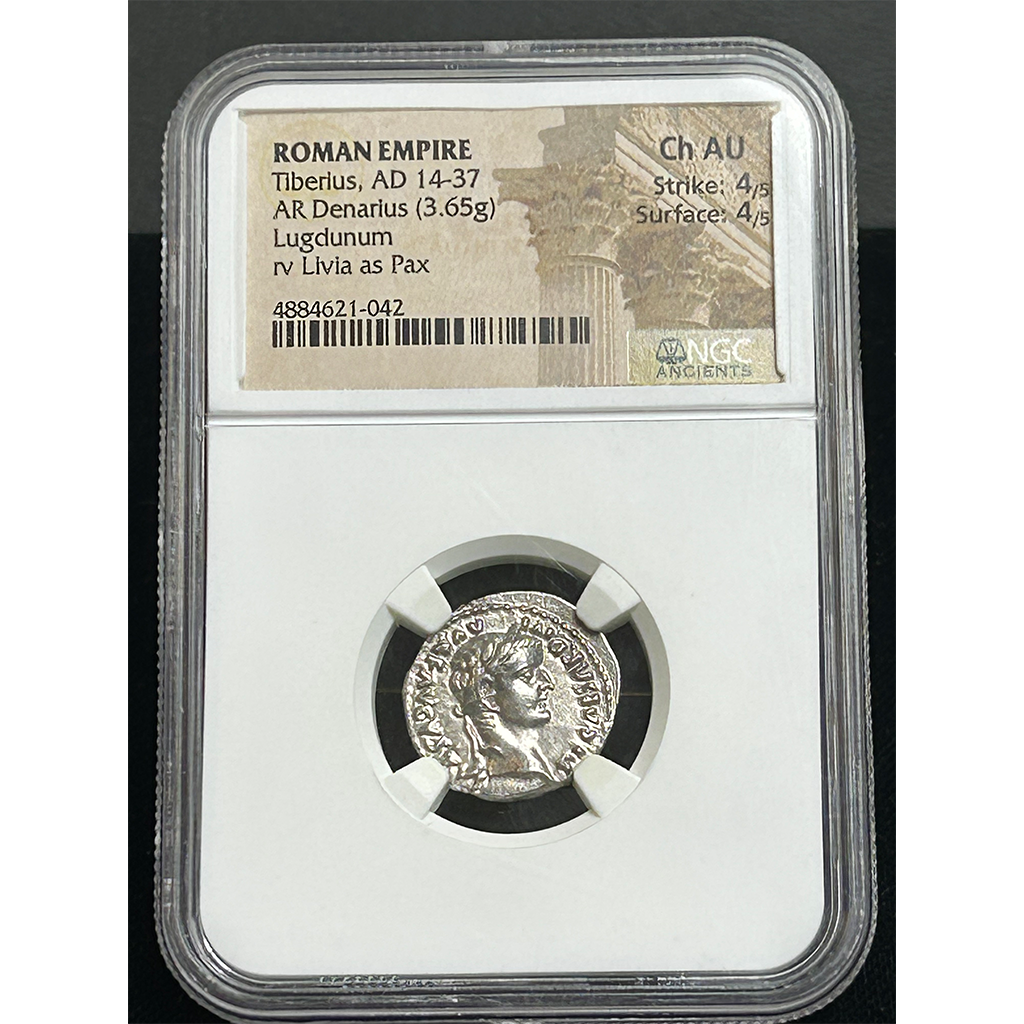
Render Unto Caesar
Tiberius Denarius coin associated with Christ's teaching on taxes.
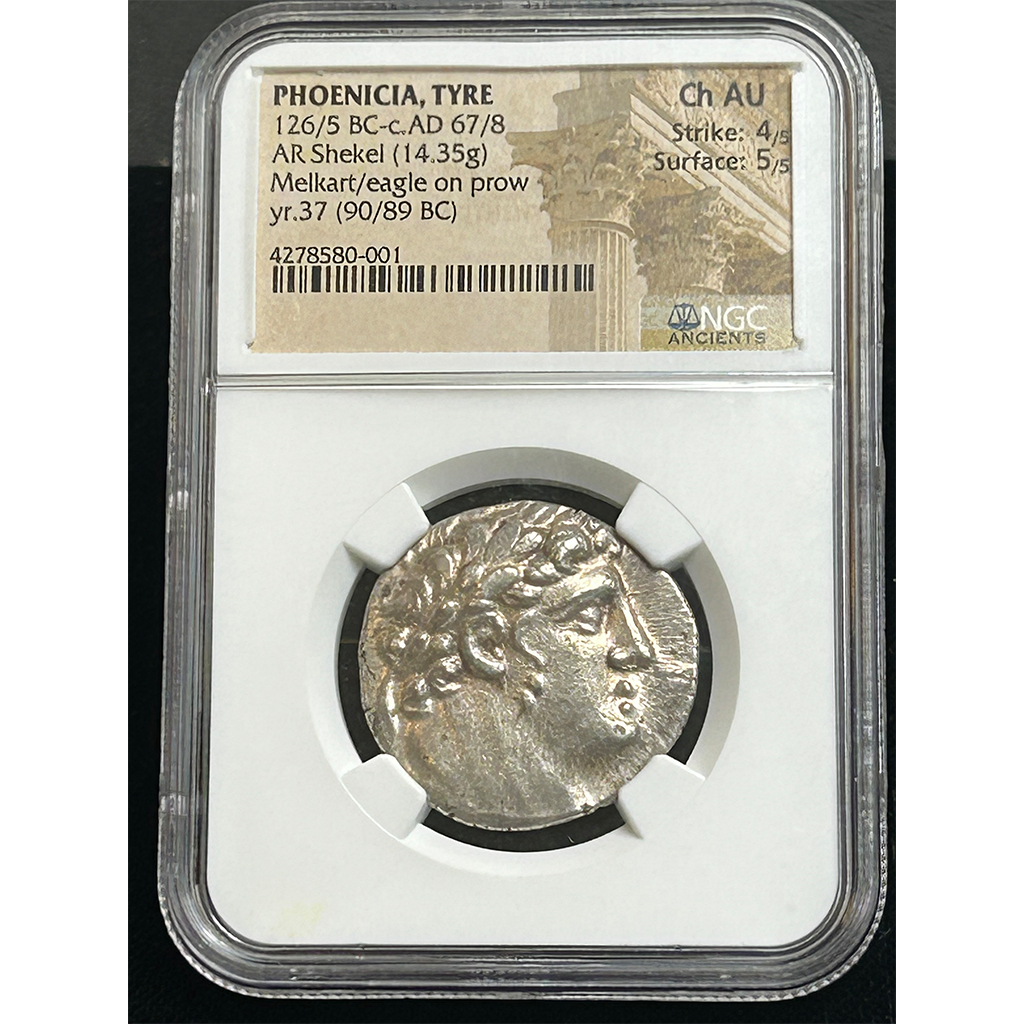
Judas' Silver
Tyrian Shekels referenced in the betrayal of Christ.
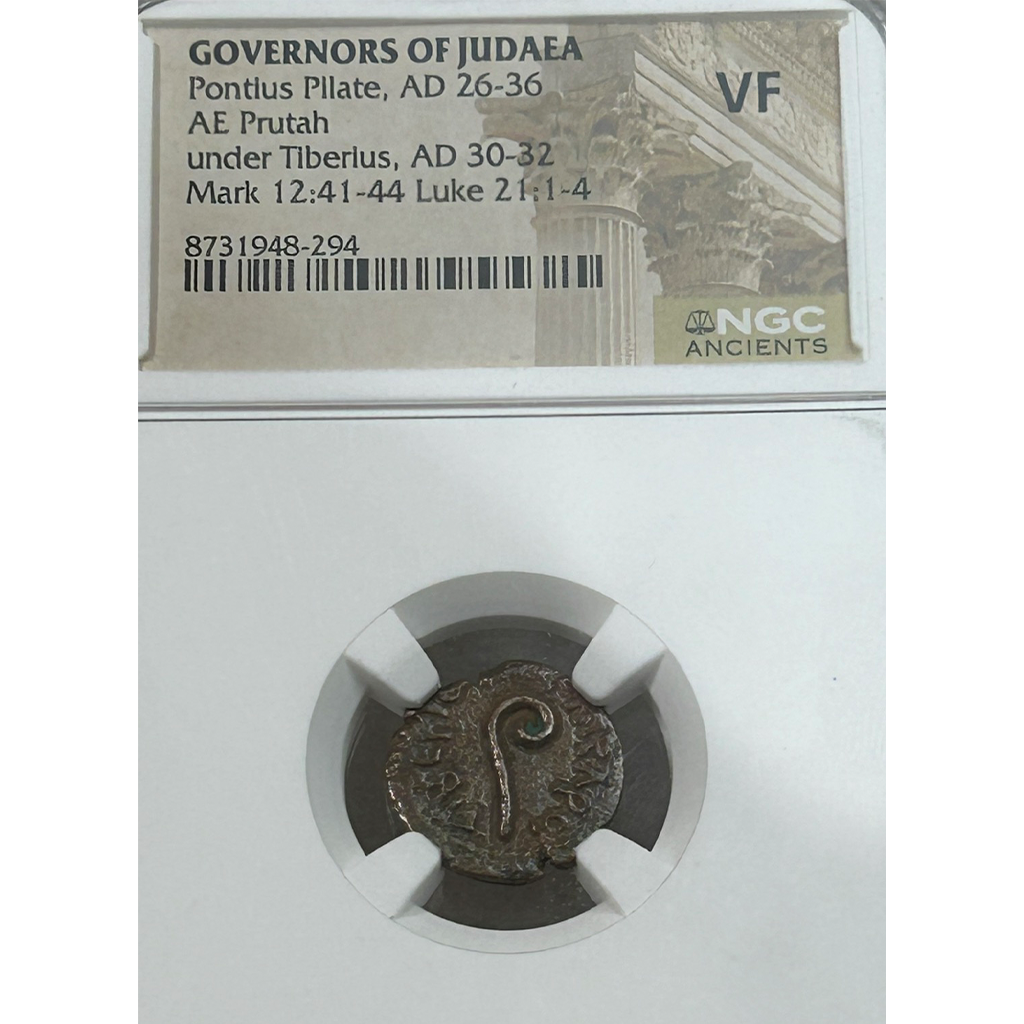
Pontius Pilate Coin
Bronze prutah minted in Judea under procurator Pontius Pilate.